Healthy trees start with careful cuts.
Nashville Tree Service removes, trims and cares for trees across Middle Tennessee. Every job begins with a plan, so your roof, fence and lawn stay as safe as the tree.
- Removal and trimming
- Stump grinding
- Storm cleanup
- Free written estimates
- Tree removal
- Crane work
- Trimming and pruning
- Stump grinding
- Emergency calls
- Storm cleanup
- Tree health care
- Cabling and bracing
- Lot clearing
- Land clearing
- Tree planting
- Mulching
- Commercial tree care
- Arborist consultations
- Tree removal
- Crane work
- Trimming and pruning
- Stump grinding
- Emergency calls
- Storm cleanup
- Tree health care
- Cabling and bracing
- Lot clearing
- Land clearing
- Tree planting
- Mulching
- Commercial tree care
- Arborist consultations
A tree is a long-term relationship.
Tree removal, trimming and care that starts with the tree and the property, so every cut has a reason and every job ends with a yard you are happy to look at.
A plan before the first cut
We walk the tree, the drop zone and the way out, then explain how the work will go before anyone climbs.
Quercus alba · White oakYour property stays protected
Ropes, mats and careful rigging keep roofs, fences, pools and lawns in one piece while limbs come down.
Acer rubrum · red mapleStraight prices in writing
You get a written scope and price, with cleanup, stump options and wood handling spelled out.
Liriodendron tulipifera · tulip poplarHonest advice about the tree
If a tree can be saved, pruned or left alone, we say so. Removal is a choice, not a sales pitch.
Carya ovata · shagbark hickoryA clean yard when we leave
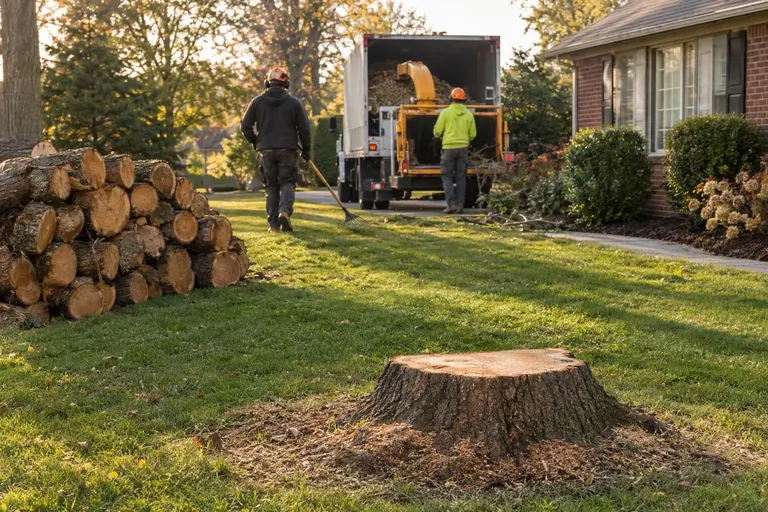
Brush is chipped, wood is hauled or stacked, and the yard is raked and checked.
Cornus florida · flowering dogwoodStorm calls taken seriously
When a tree comes down, we triage by risk, make it safe and then plan the cleanup.
Cercis canadensis · eastern redbud48 services, eight branches.
Pick a branch to see what grows from it. Removal, trimming, stumps, storms, tree health, planting, land clearing and commercial care each have their own pages of details, steps and answers.
Tree Removal
Standard, large, hazardous, dead and crane-assisted removals, even over houses.
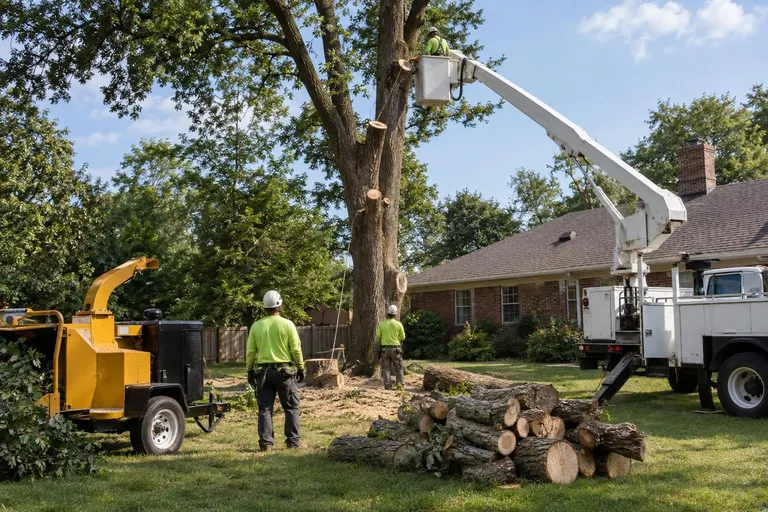 Tree Removal
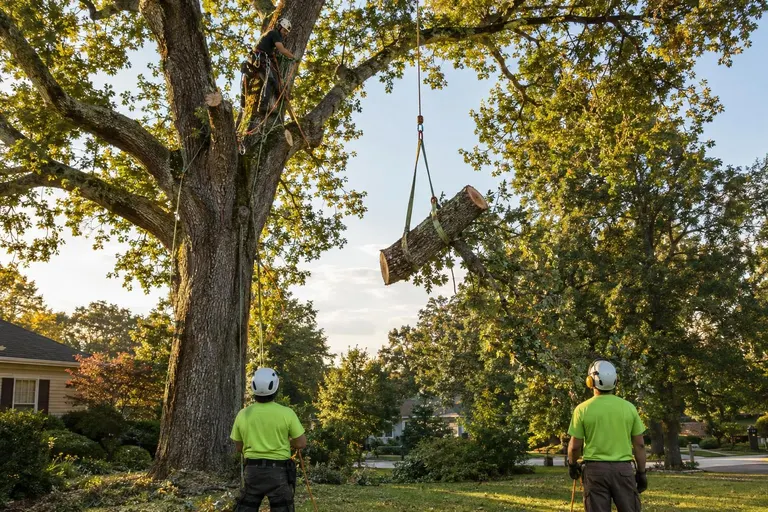 Large Tree Removal
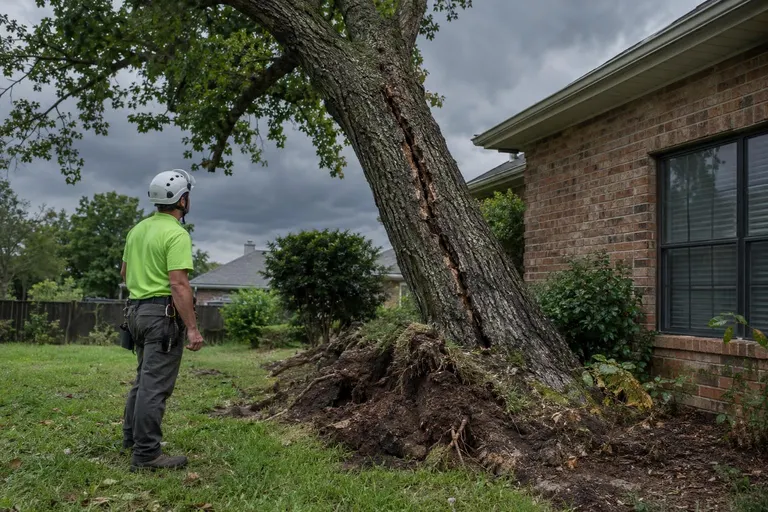 Hazardous Tree Removal
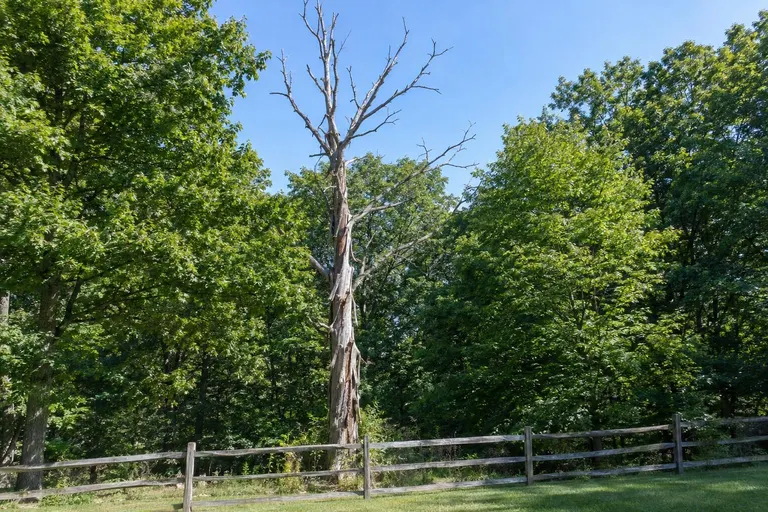 Dead Tree Removal
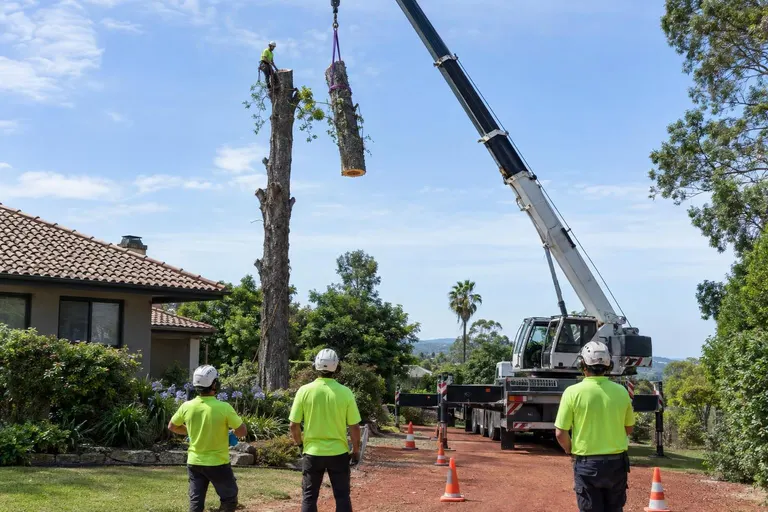 Crane-Assisted Tree Removal
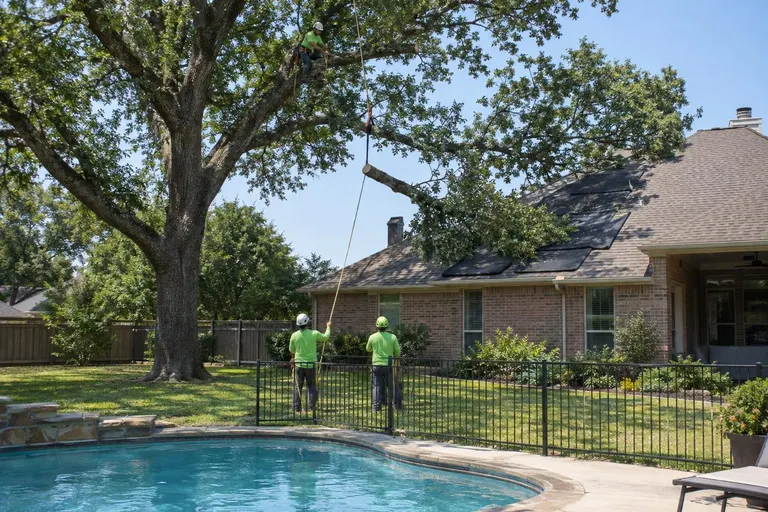 Removal Over Houses and Fences
Trimming and Pruning
Trimming, structural pruning, thinning, clearance, deadwood and ornamental trees.
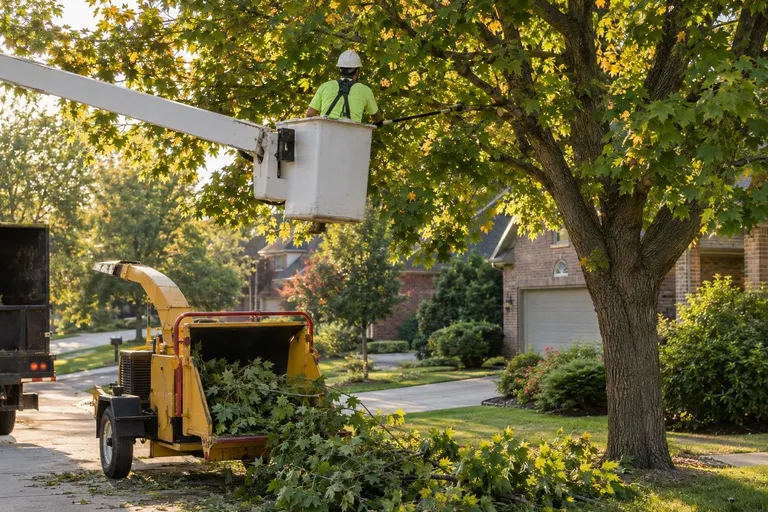 Tree Trimming
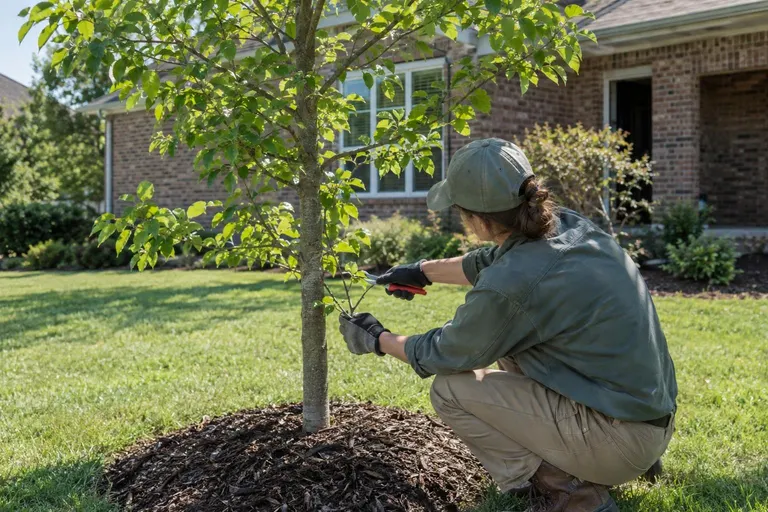 Tree Pruning
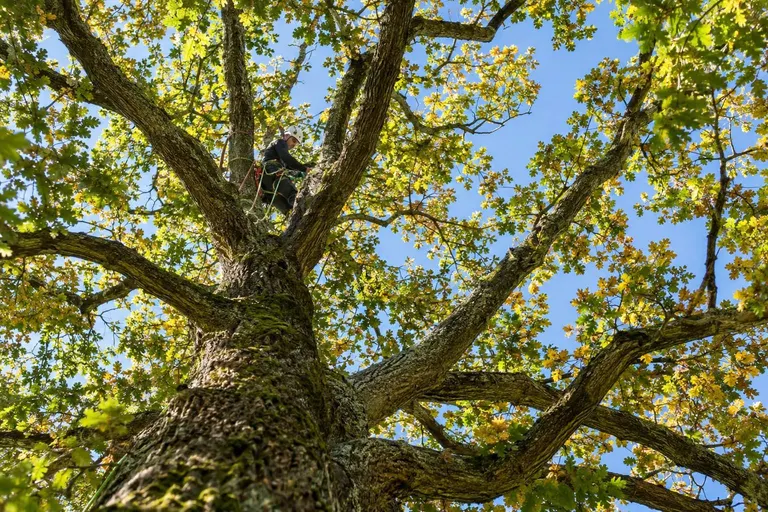 Crown Thinning and Reduction
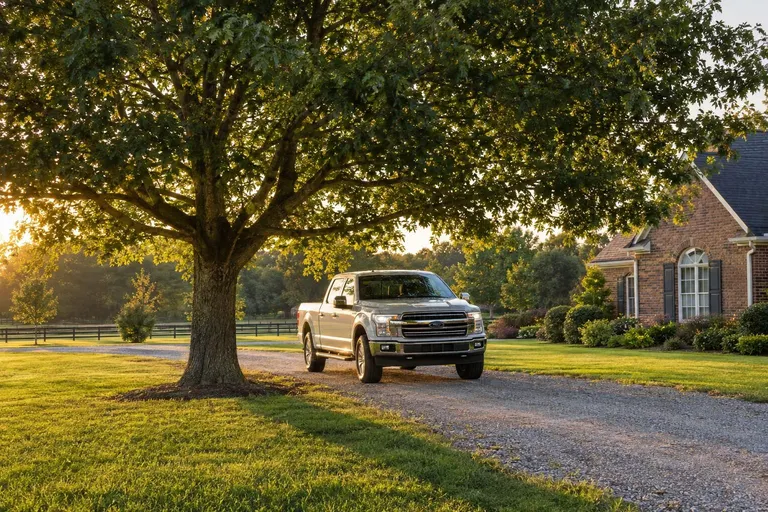 Crown Raising and Clearance
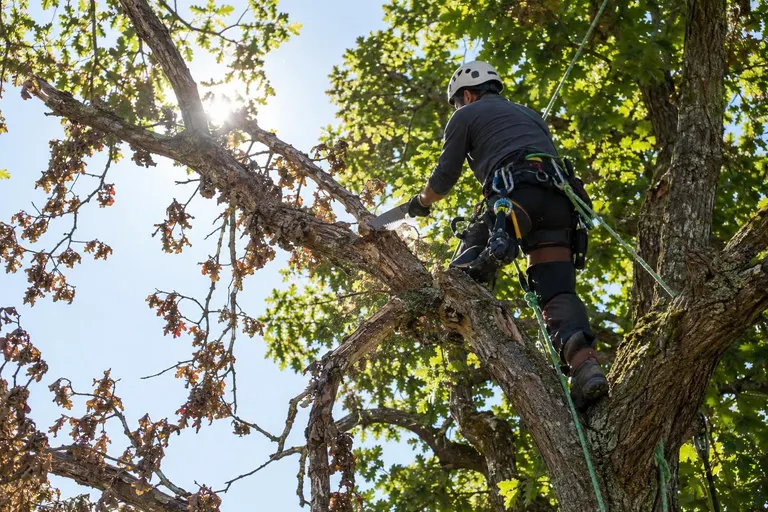 Deadwooding
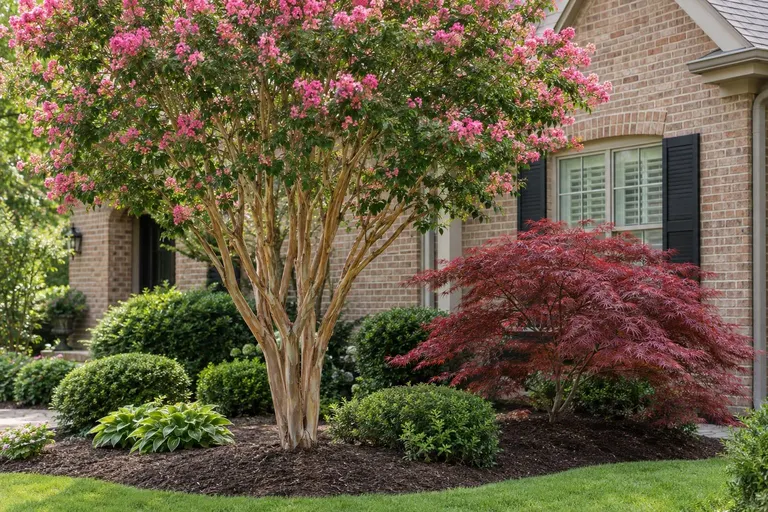 Ornamental Tree Pruning
Stumps, Roots and Cleanup
Grinding, full stump removal, roots, lawn repair and complete debris hauling.
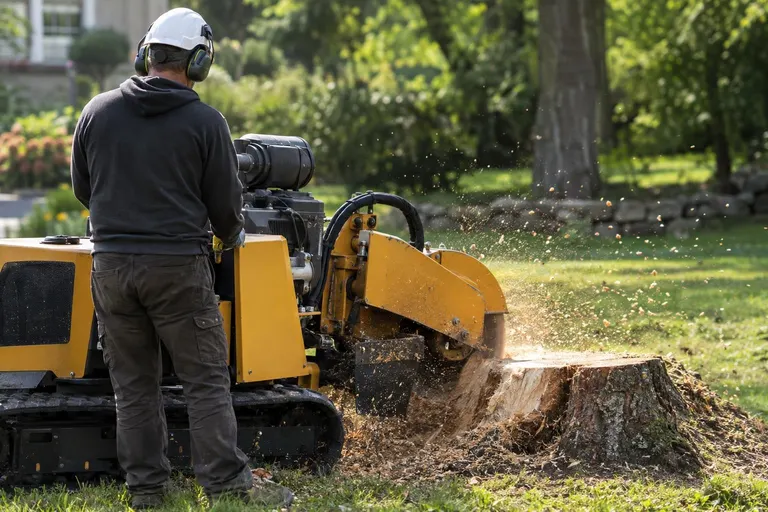 Stump Grinding
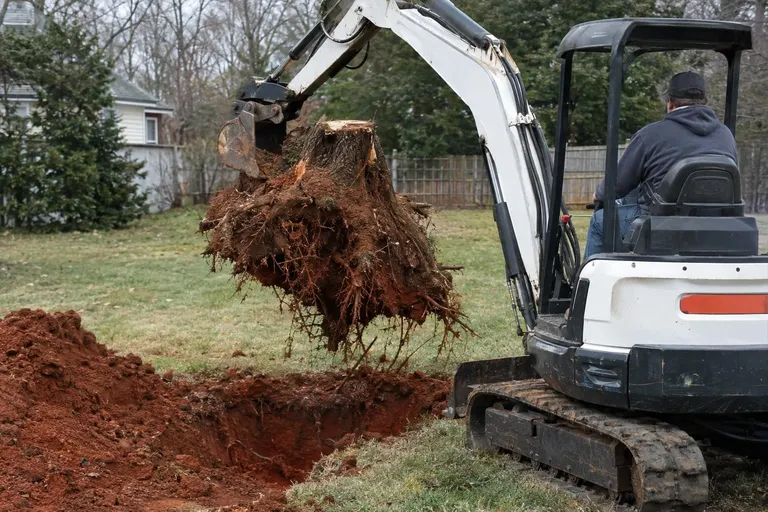 Stump Removal
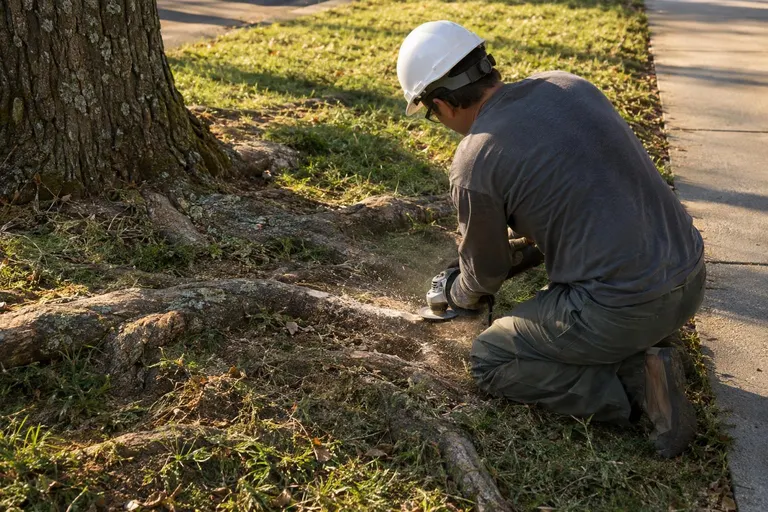 Root Grinding and Removal
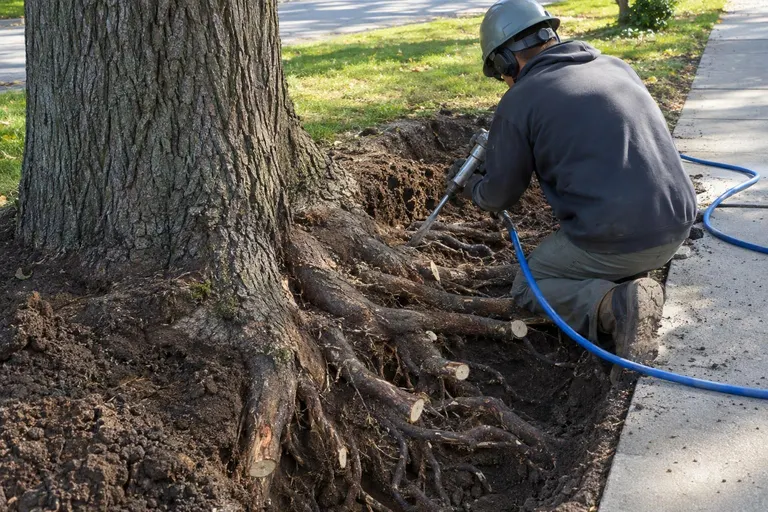 Root Pruning
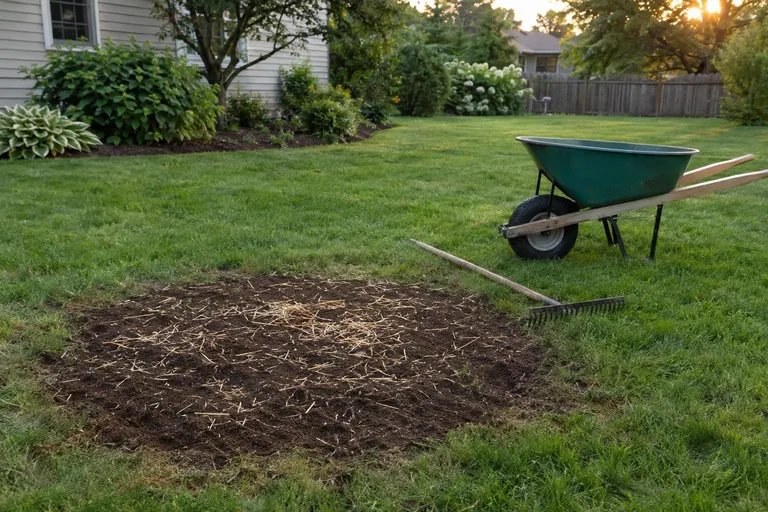 Stump Cleanup and Lawn Repair
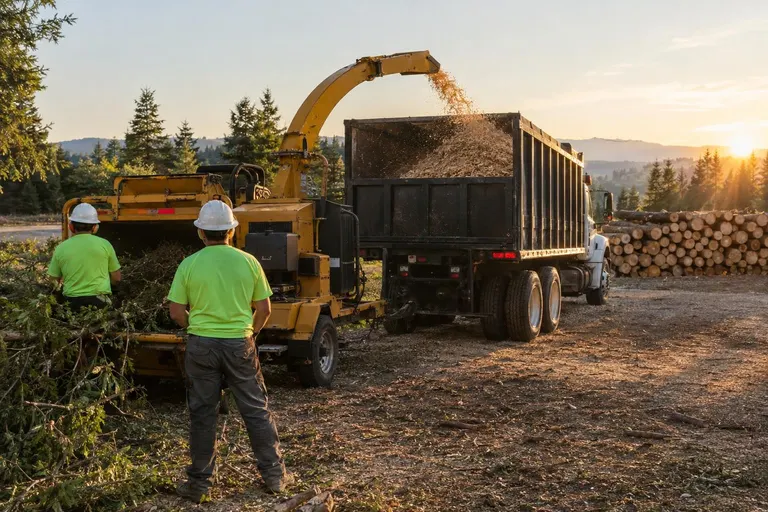 Debris Hauling and Cleanup
Storm and Emergency
Emergency response, cleanup, fallen trees, trees on roofs and storm-ready pruning.
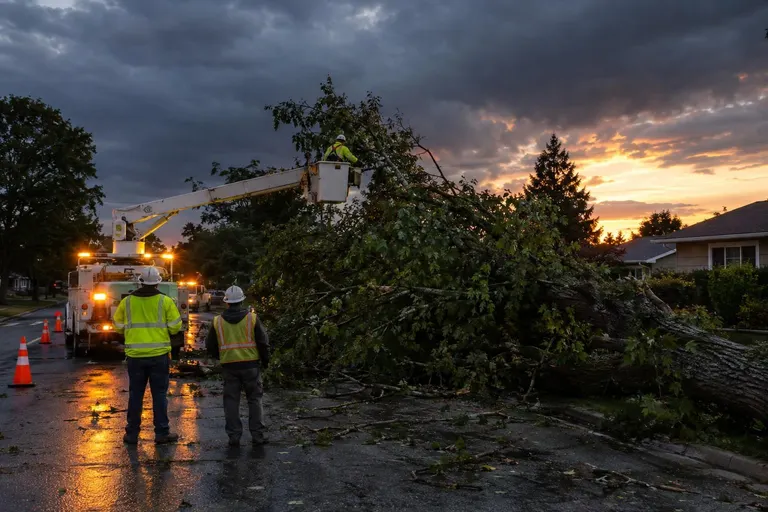 Emergency Tree Service
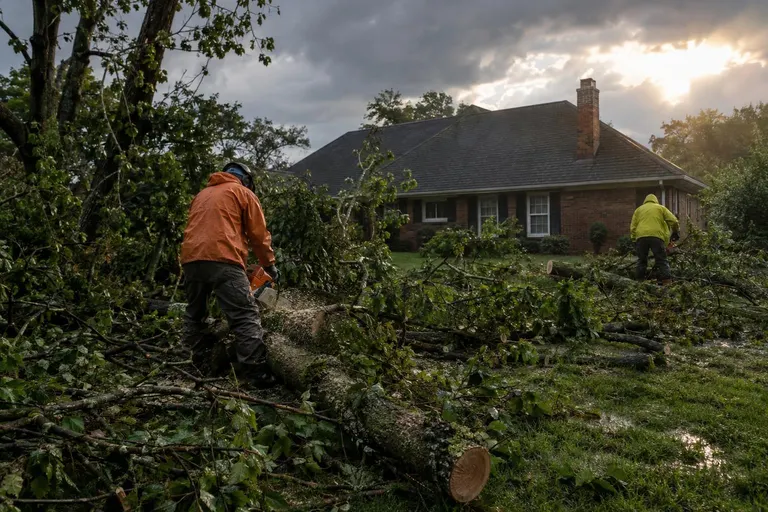 Storm Damage Cleanup
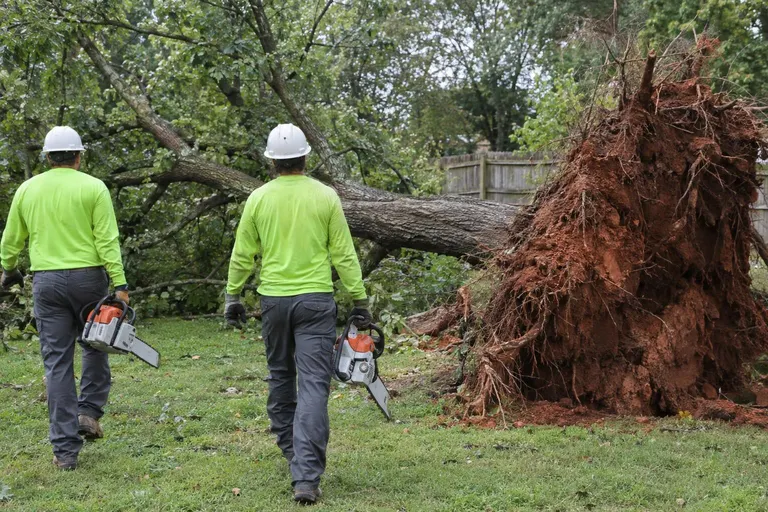 Fallen Tree Removal
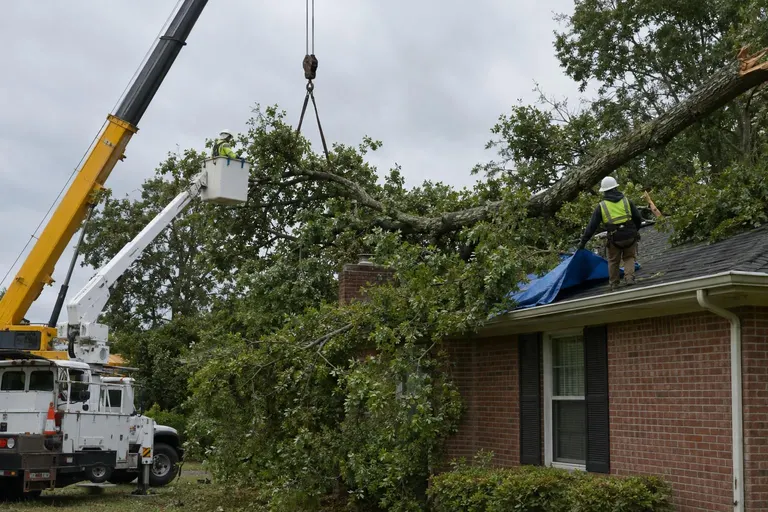 Tree on Roof Removal
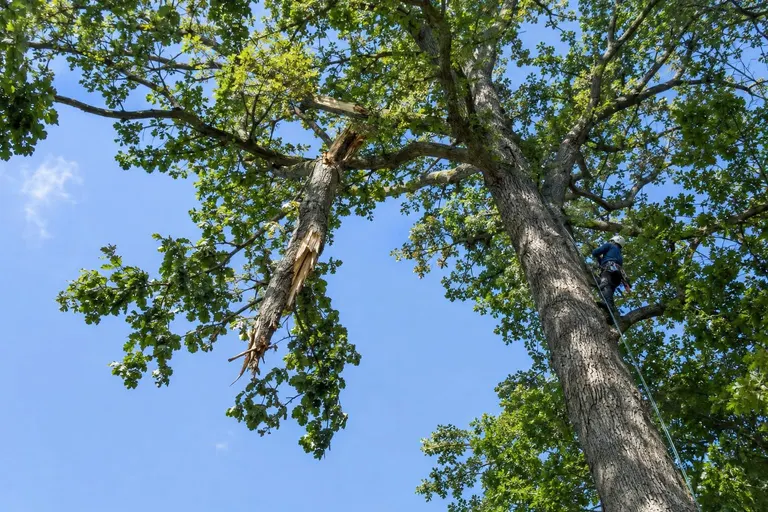 Hanging Limb Removal
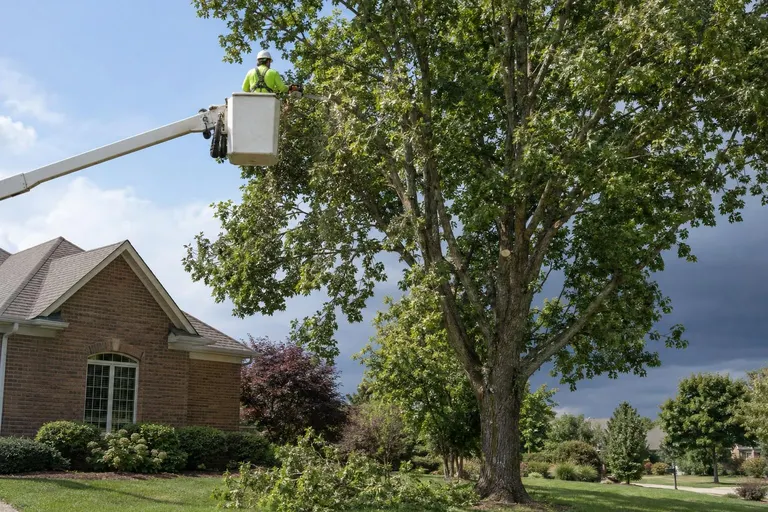 Storm-Ready Pruning
Tree Health Care
Consultations, health and risk assessments, pests, cabling and root-zone care.
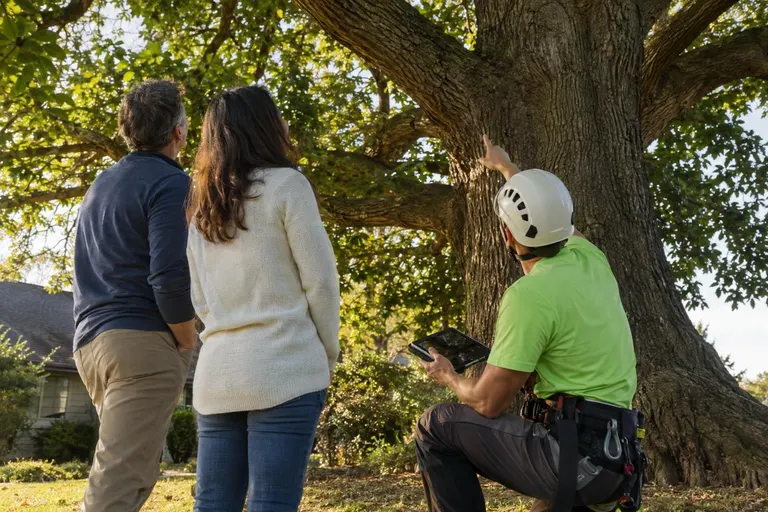 Arborist Consultation
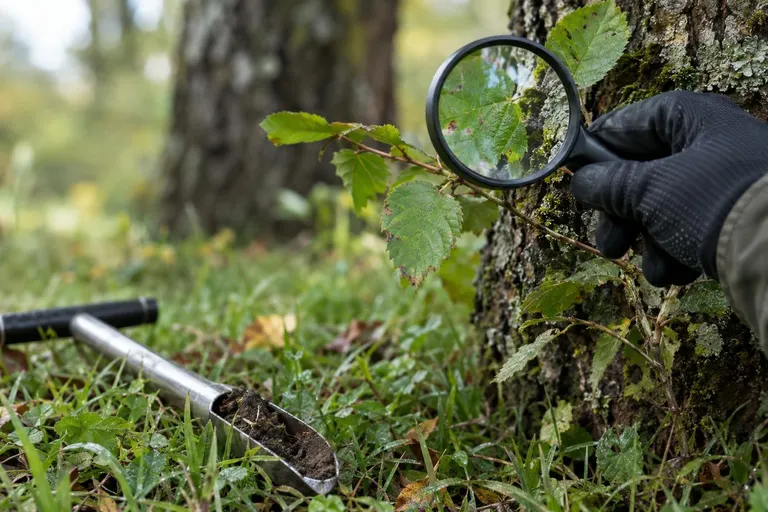 Tree Health Assessment
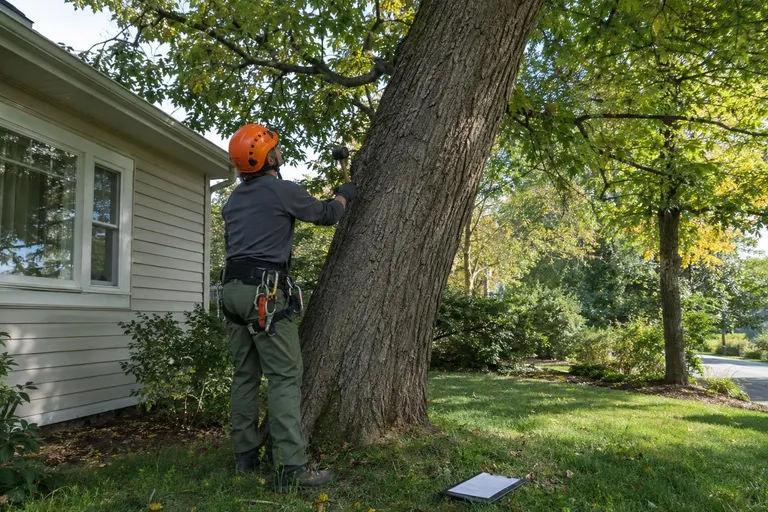 Tree Risk Assessment
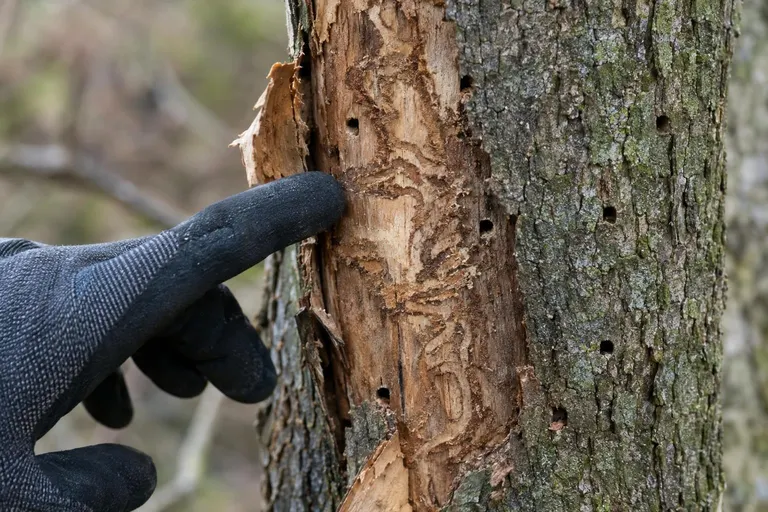 Disease and Pest Management
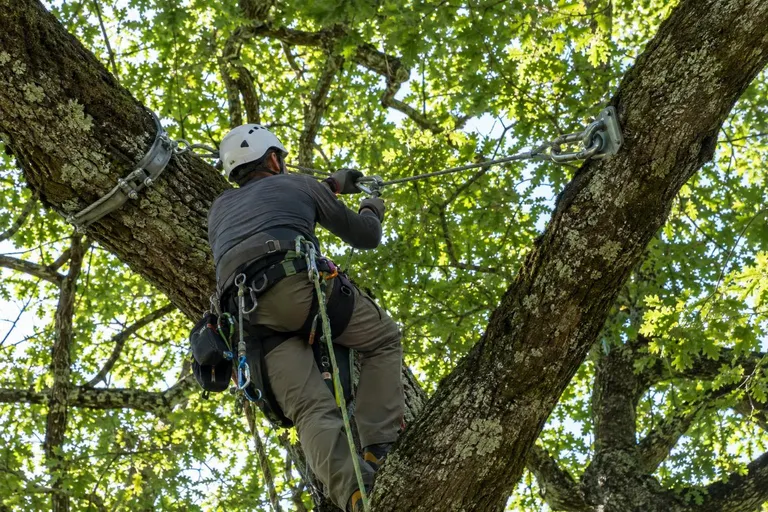 Tree Cabling and Bracing
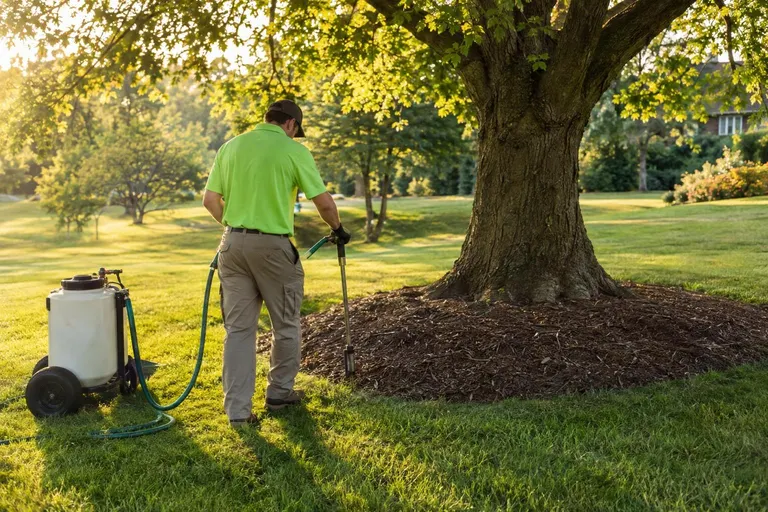 Deep Root Fertilization
Planting and Landscape Trees
Planting, transplanting, species choices, mulching, hedges and fruit trees.
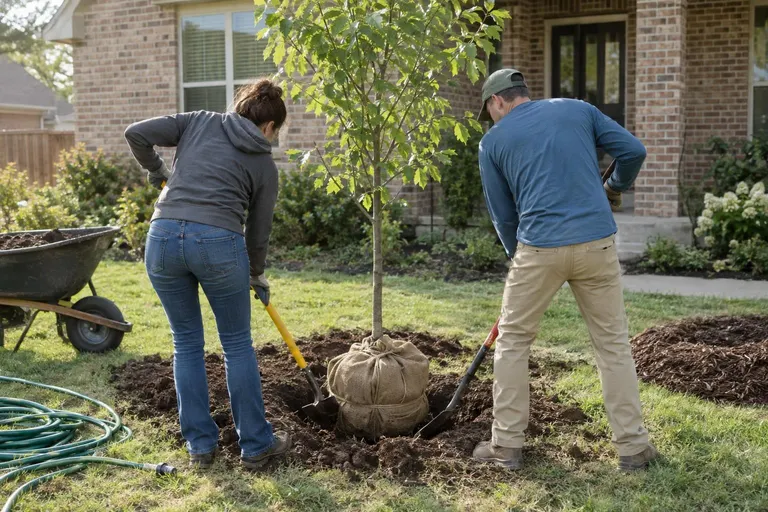 Tree Planting
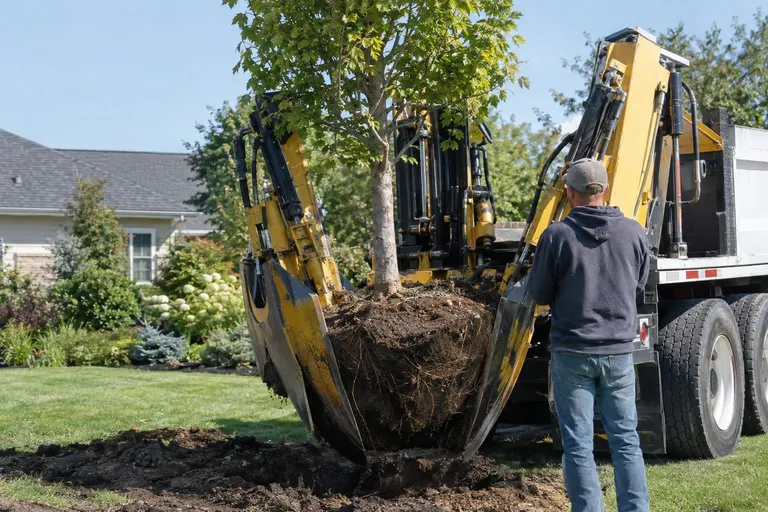 Tree Transplanting
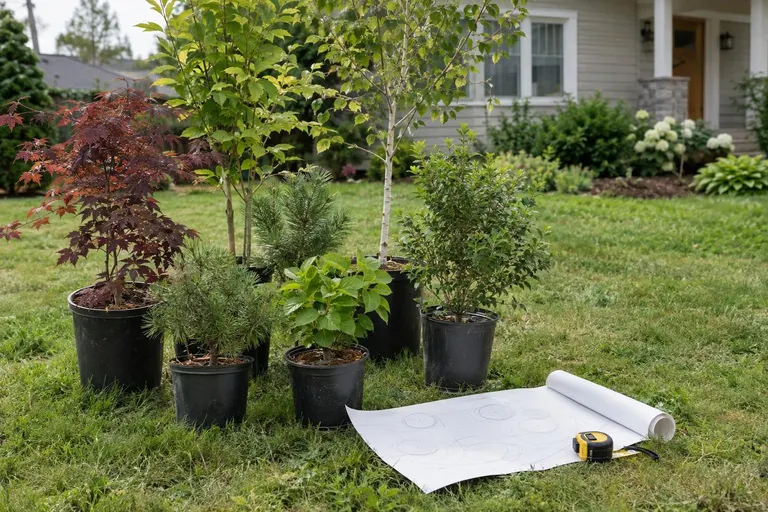 Tree Selection and Planting Plans
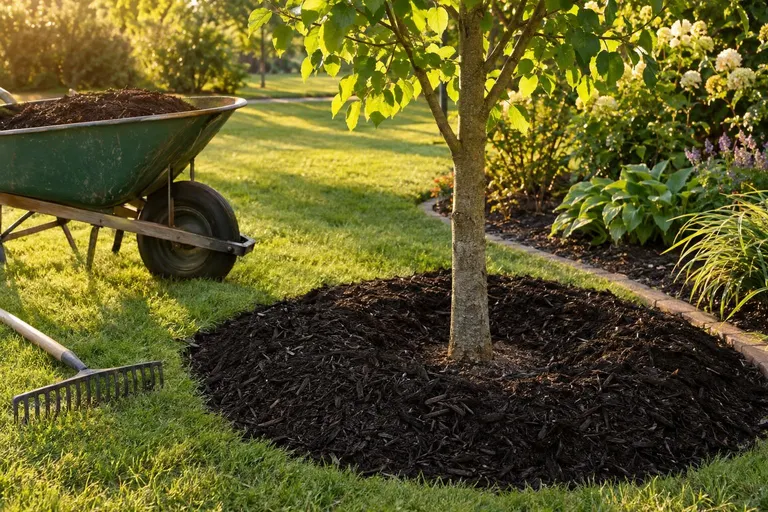 Mulching and Root-Zone Care
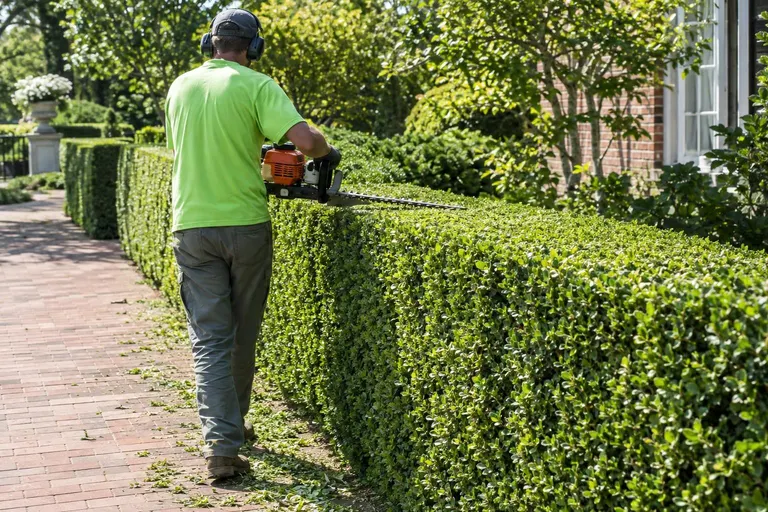 Shrub and Hedge Trimming
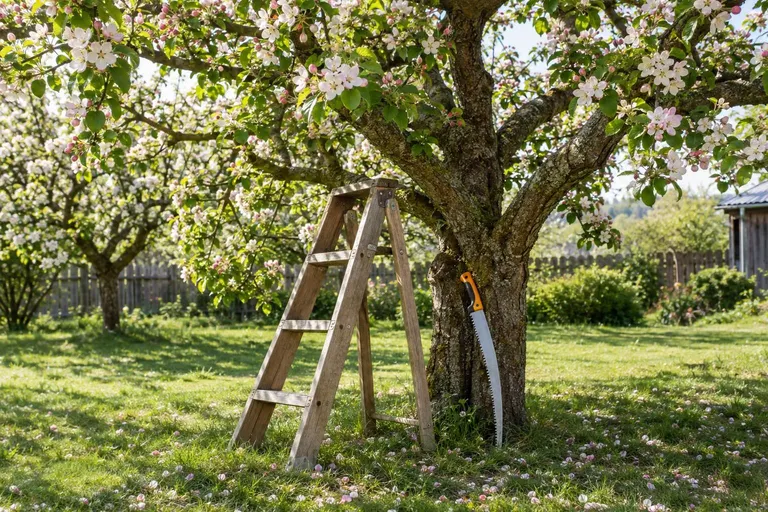 Fruit and Nut Tree Care
Lots, Land and Wood
Lot and land clearing, brush, fence lines, wood chips, firewood and logs.
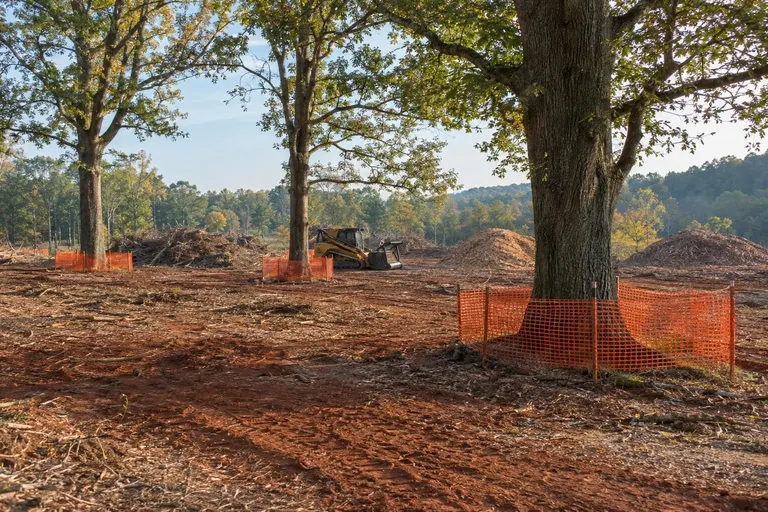 Lot Clearing
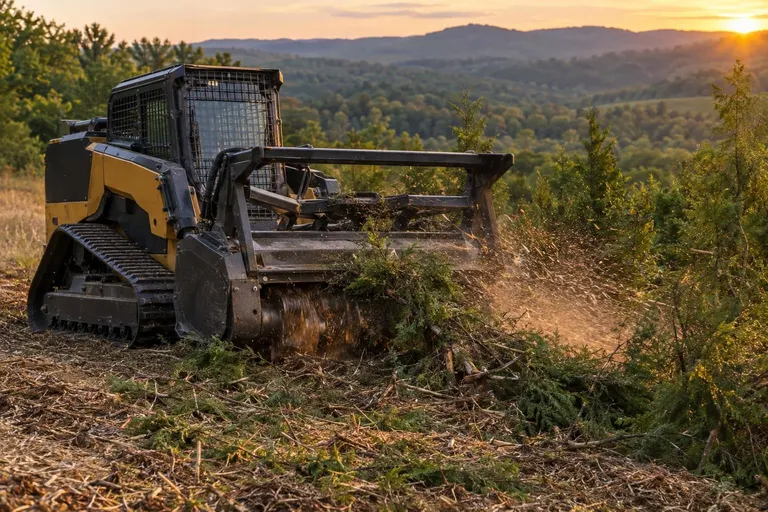 Land Clearing
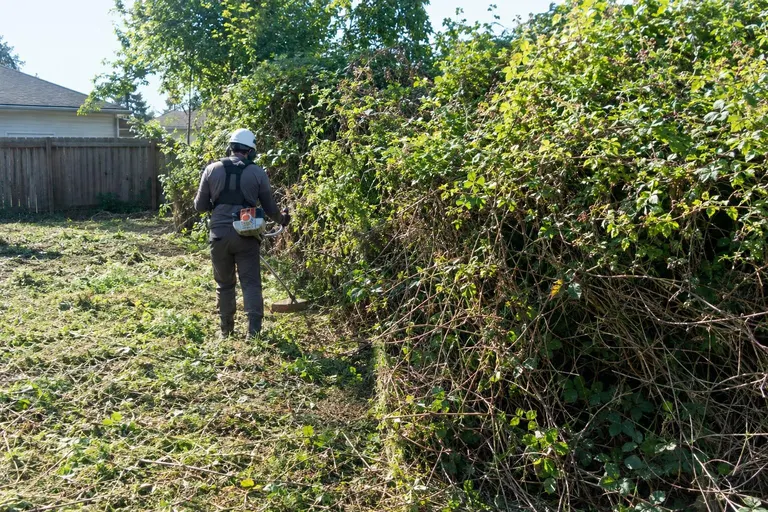 Brush and Overgrowth Removal
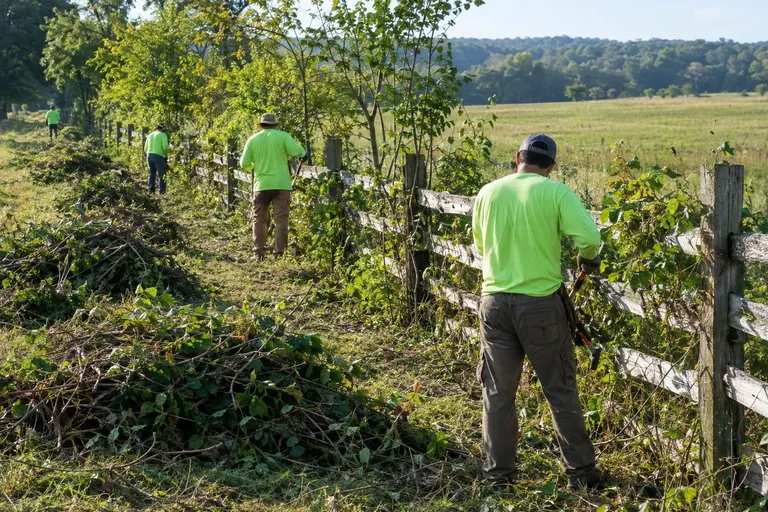 Fence-Line and Easement Clearing
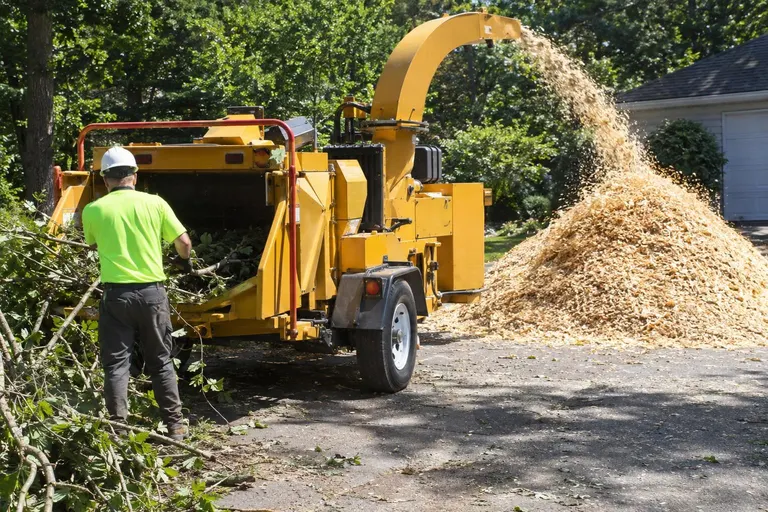 Wood Chipping and Mulch
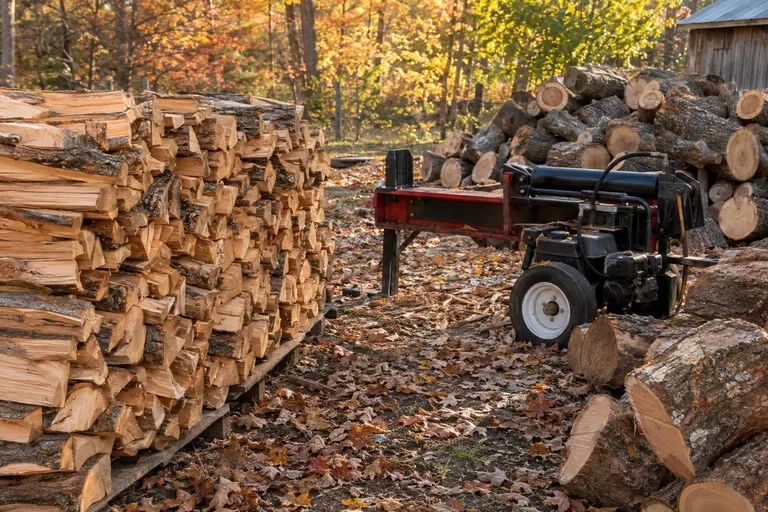 Firewood and Log Services
Commercial and Property Care
Businesses, HOAs, builders, inventories, campuses and realtor programs.
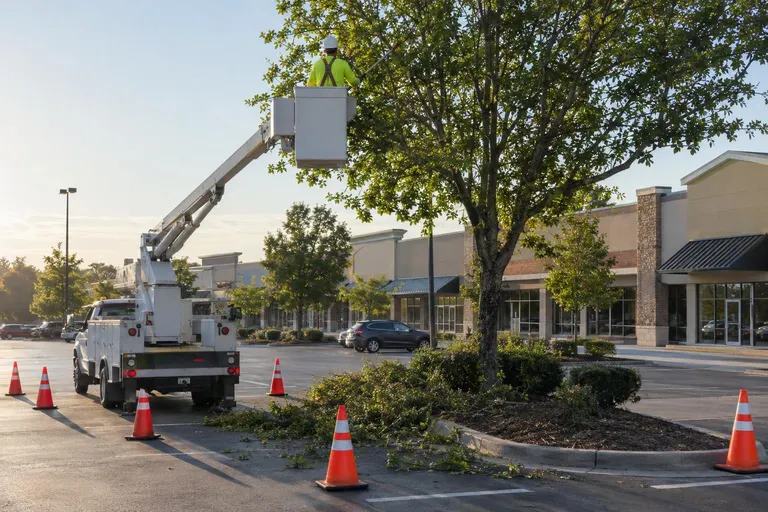 Commercial Tree Service
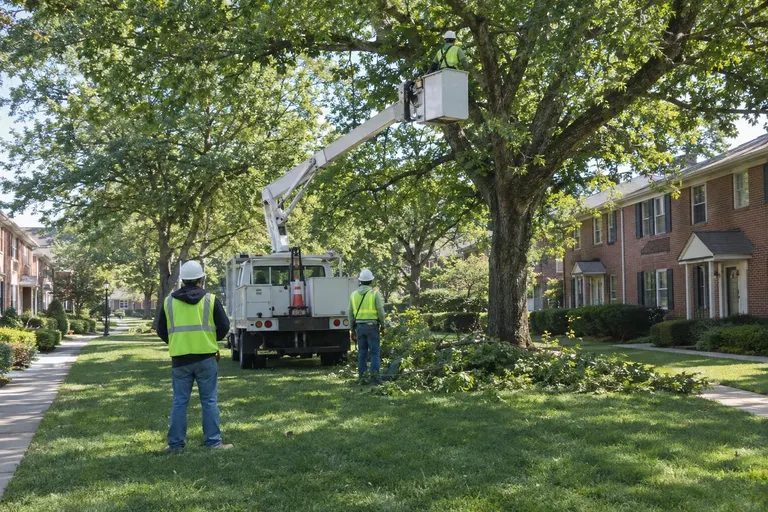 HOA and Apartment Tree Care
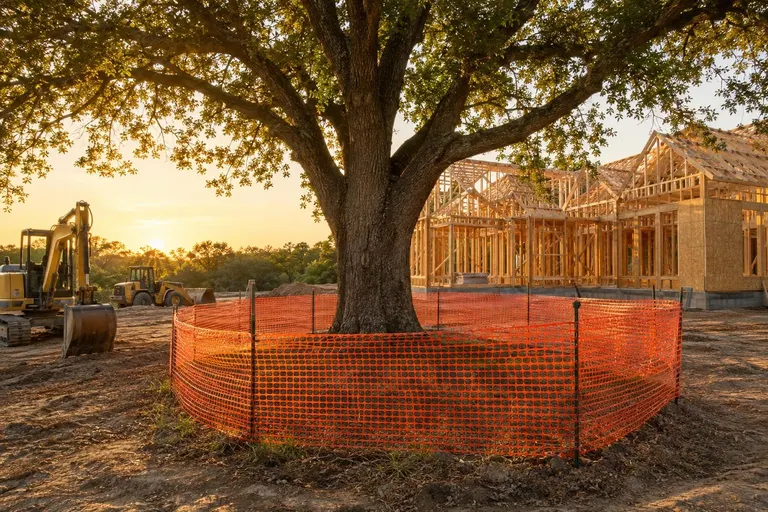 Construction Site Tree Protection
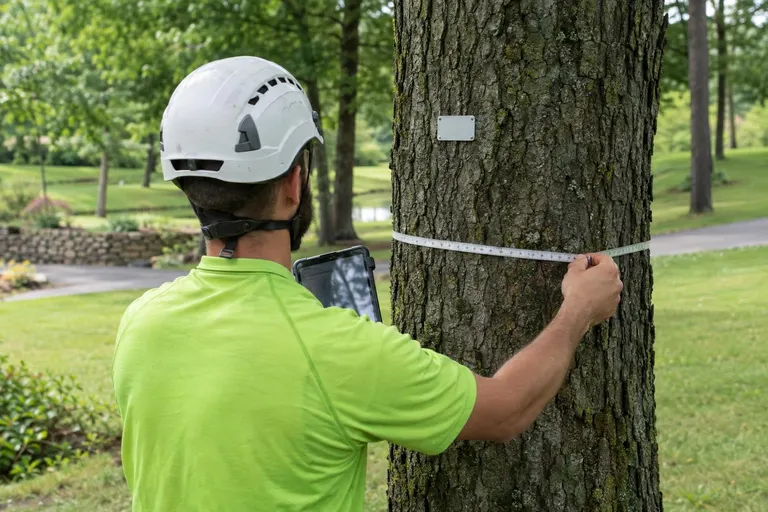 Tree Inventory and Management Plans
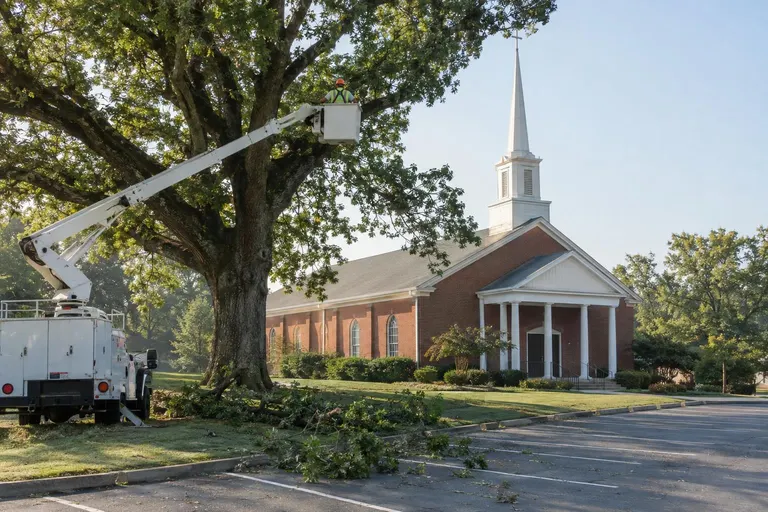 Campus and Church Grounds Tree Care
 Realtor and Property Manager Programs
Every stump is a diary.
Each ring is a year: wide for good years, narrow for dry ones. Pick a tree, set the trunk size, move across the rings and estimate how old it is.
A core is a pencil-thin strip taken with a hollow drill. It lets an arborist count rings without hurting the tree.
How to measure
- Wrap a tape around the trunk about 4.5 feet off the ground.
- Divide the circumference by 3.14 to get the diameter.
- Ring widths in the picture are illustrative; the age is a planning estimate.
Saved. Your choices will travel with the estimate form below.
The same house, one plan apart.
Flip the photo to see what thinning, raising and cleaning a crown does for a roof, and what trimming shrubs does for the walls.
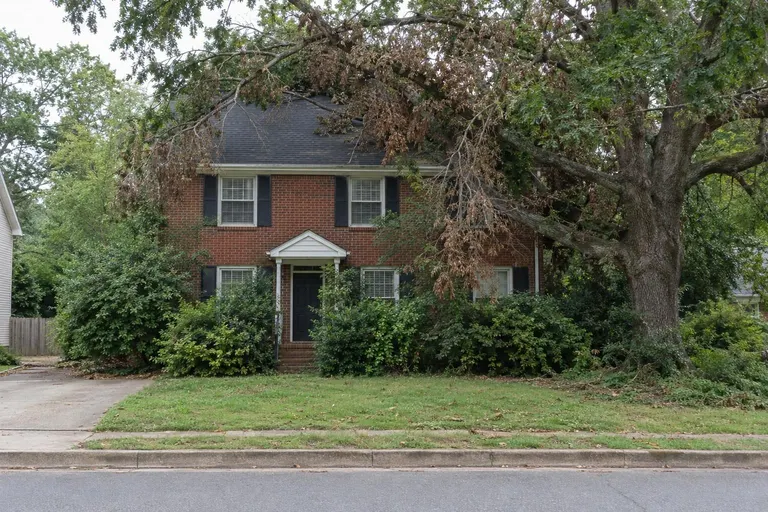
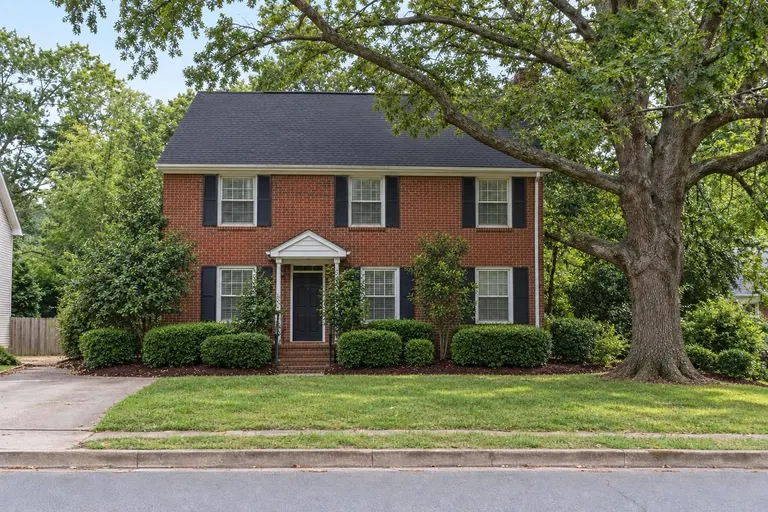
- Dead and rubbing limbs removed
- Crown lifted well clear of the roofline
- Foundation shrubs shaped and mulched
Six steps, one careful job.
Follow a job from the first call to the final walk-through. Every step is explained in advance, so you always know what happens next.
- 01
Call, text or send photos
Tell us what is going on and send a few pictures. A real person answers and gives you a first idea of what is needed.
- 02
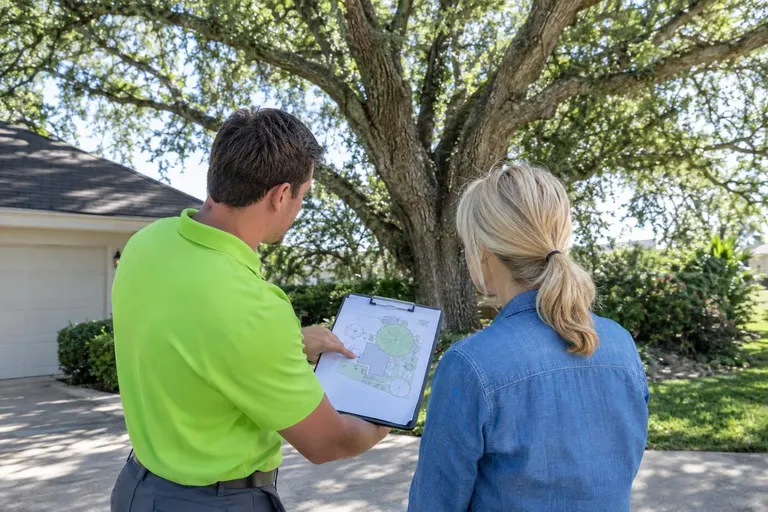
We walk the site
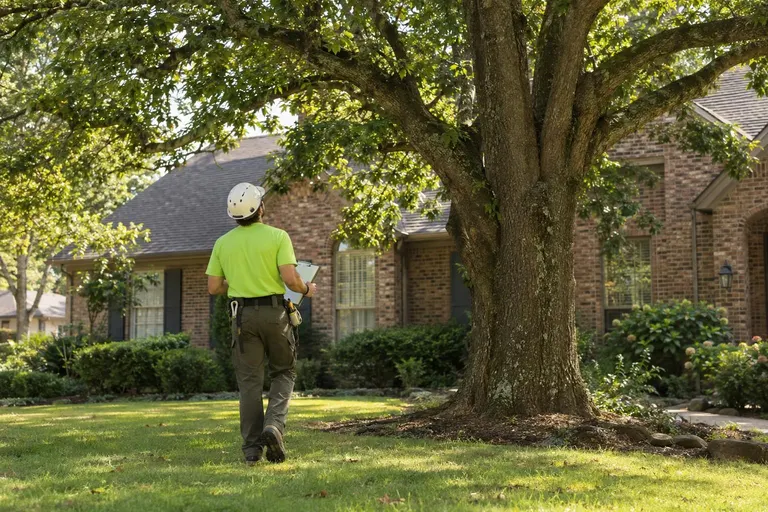
An arborist looks at the tree, the roots, the drop zone, the lines and the way in and out of the yard.
- 03
You get a written plan
The scope, the method, the cleanup and the price are written down before anything starts.
- 04
We schedule the work
Pick a day that suits you. We call ahead and tell you what to move and who is arriving.
- 05
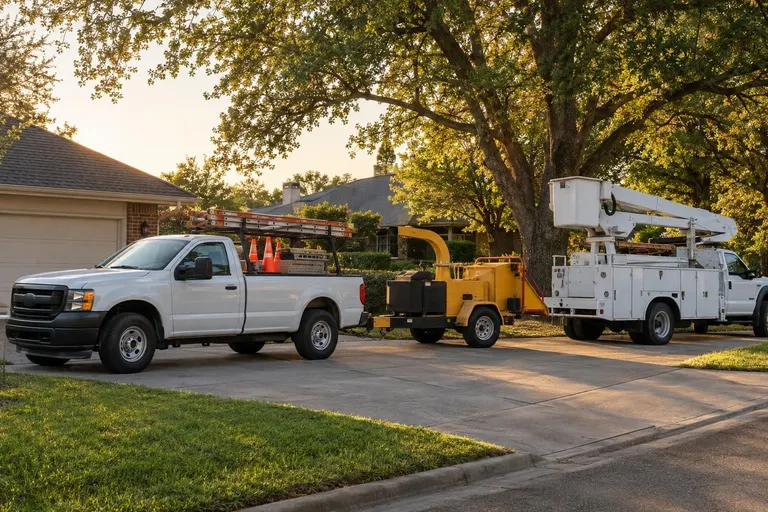
The crew works carefully
Rigging, ropes and the right equipment protect your roof, fence and lawn while the work is done.
- 06
Cleanup and walk-through
Brush is chipped, wood is hauled or stacked, the yard is raked and we walk it with you.
How far can that tree reach?
Set the tree’s height and its distance from the house, watch the fall arc and press the button to simulate a fall.
- Reach
- 70 ft
- Distance
- 45 ft
- Margin
- -25 ft
Good to know
- A tree can fall about as far as it is tall, and branches can reach farther.
- Lines, fences and pools count as targets too.
- A tree that leans toward a target deserves a risk assessment.
Saved. Your choices will travel with the estimate form below.
Twelve trees you probably own.
Oaks, maples, poplars, hickories and the small bloomers of Middle Tennessee, each on a specimen plate. Tap a plate to see what to watch for.
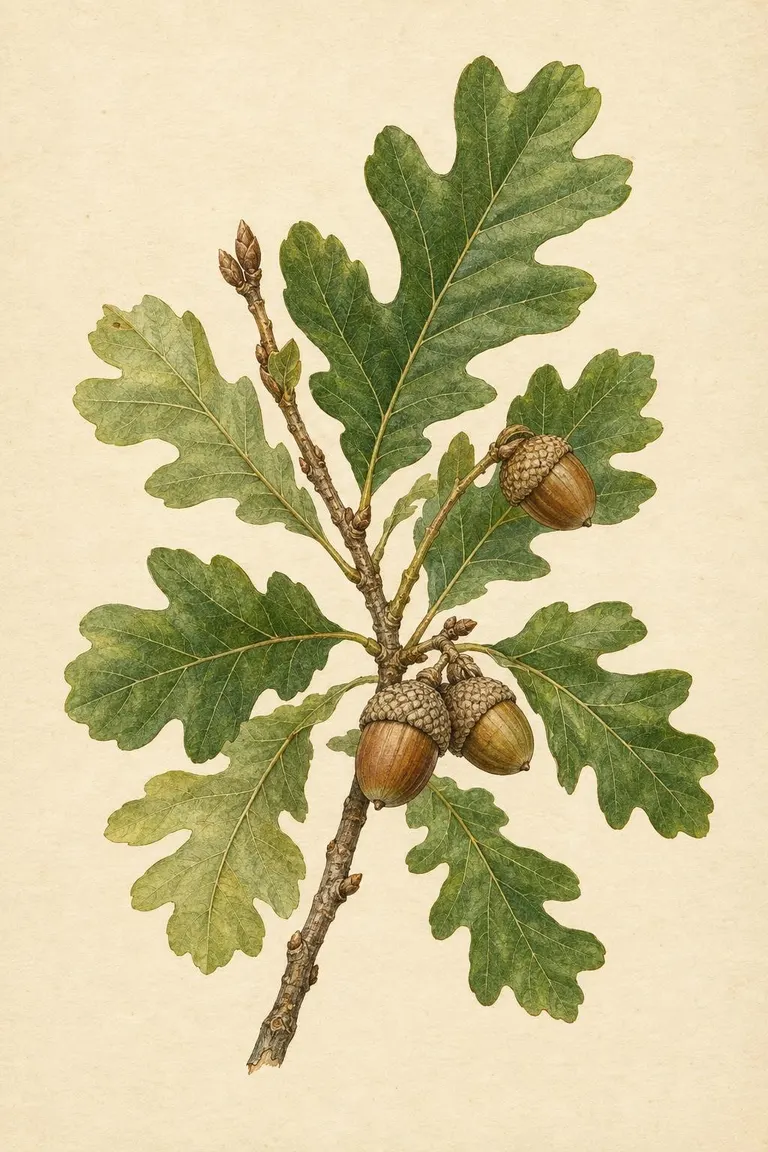 No. 01
White oak
Quercus albaWhite oak
Quercus albaSlow, strong and long-lived. A prized shade tree that rewards patient care.
- Watch for
- Dead limbs high in the crown; roots damaged by building work.
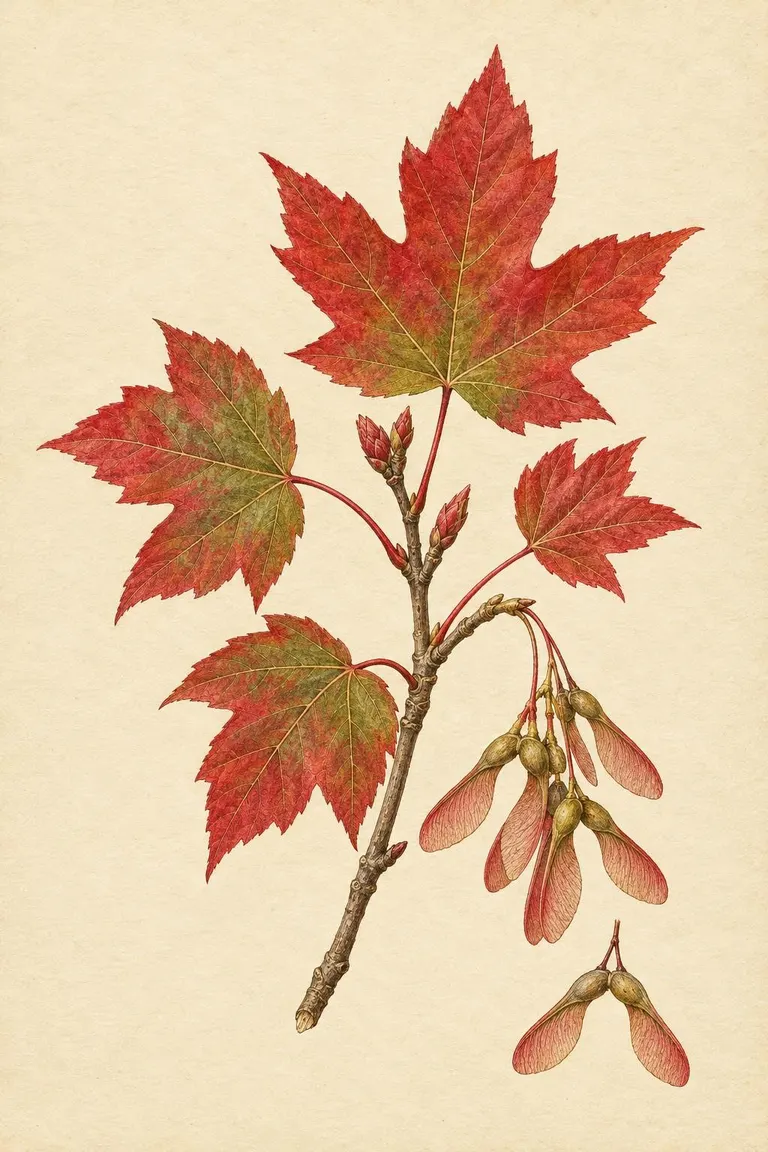 No. 02
Red maple
Acer rubrumRed maple
Acer rubrumFast and colorful, with moderate wood. Common in older neighborhoods.
- Watch for
- Tight forks, girdling roots and drought stress.
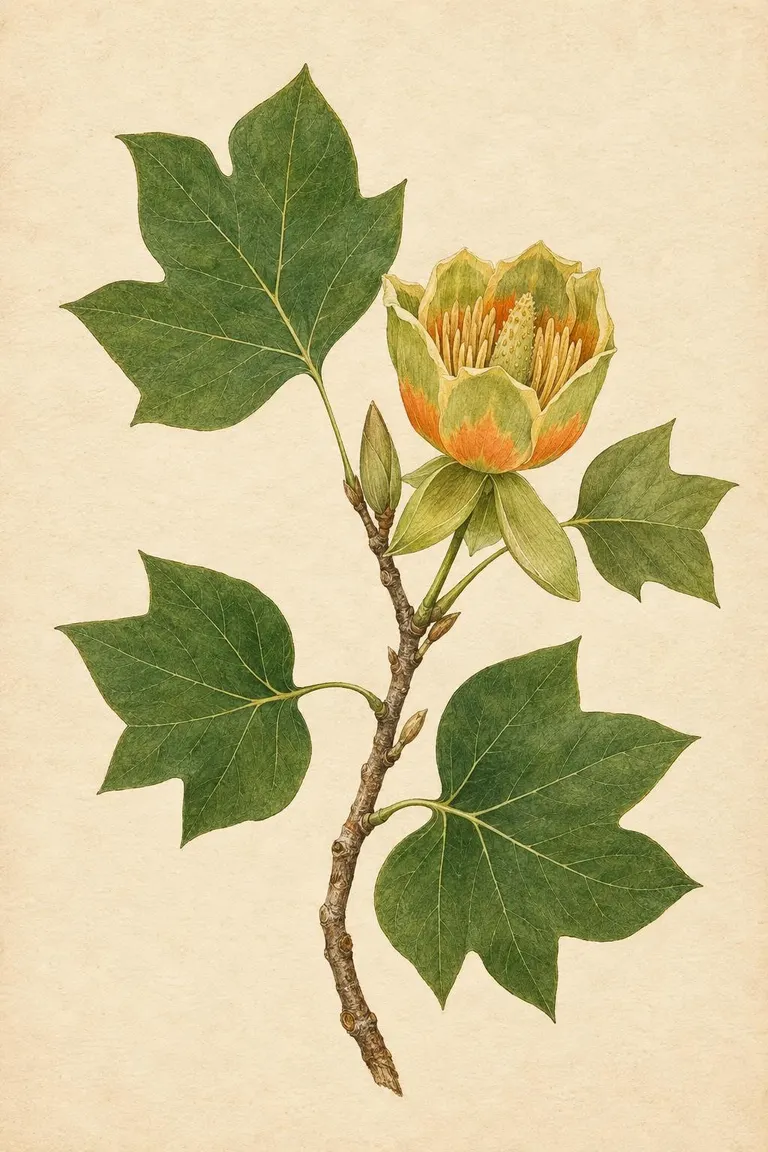 No. 03
Tulip poplar
Liriodendron tulipiferaTulip poplar
Liriodendron tulipiferaVery tall and straight, with brittle limbs that can drop in storms.
- Watch for
- Heavy limbs over roofs and drives.
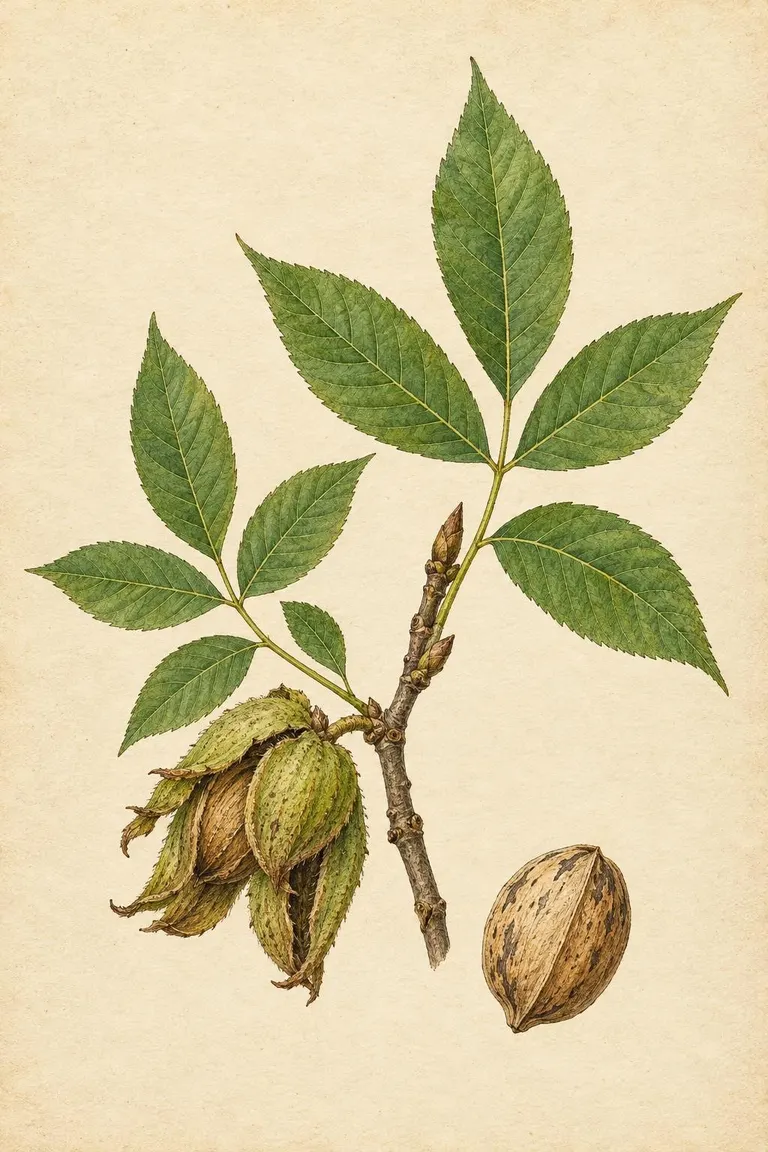 No. 04
Shagbark hickory
Carya ovataShagbark hickory
Carya ovataHeavy, strong wood and a deep root system. Nuts feed wildlife.
- Watch for
- Borers after drought; very heavy limbs.
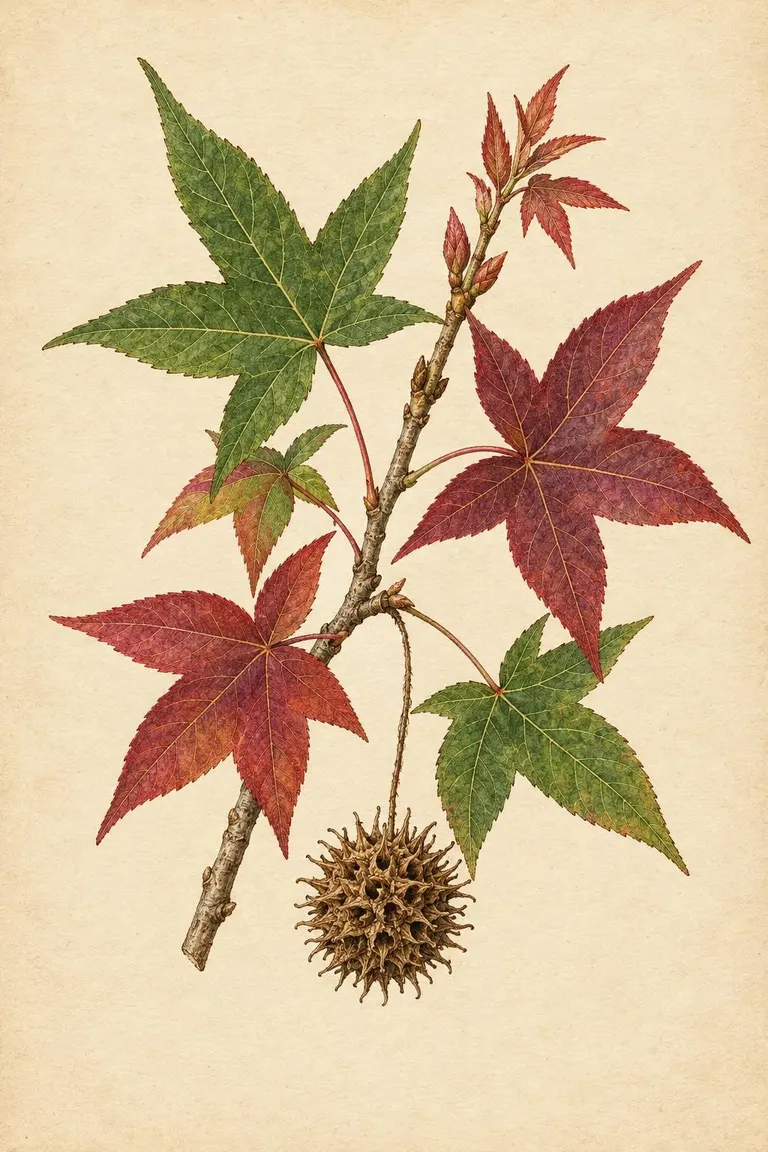 No. 05
Sweetgum
Liquidambar styracifluaSweetgum
Liquidambar styracifluaFast shade with star-shaped leaves and spiky seed balls.
- Watch for
- Surface roots and limb breakage.
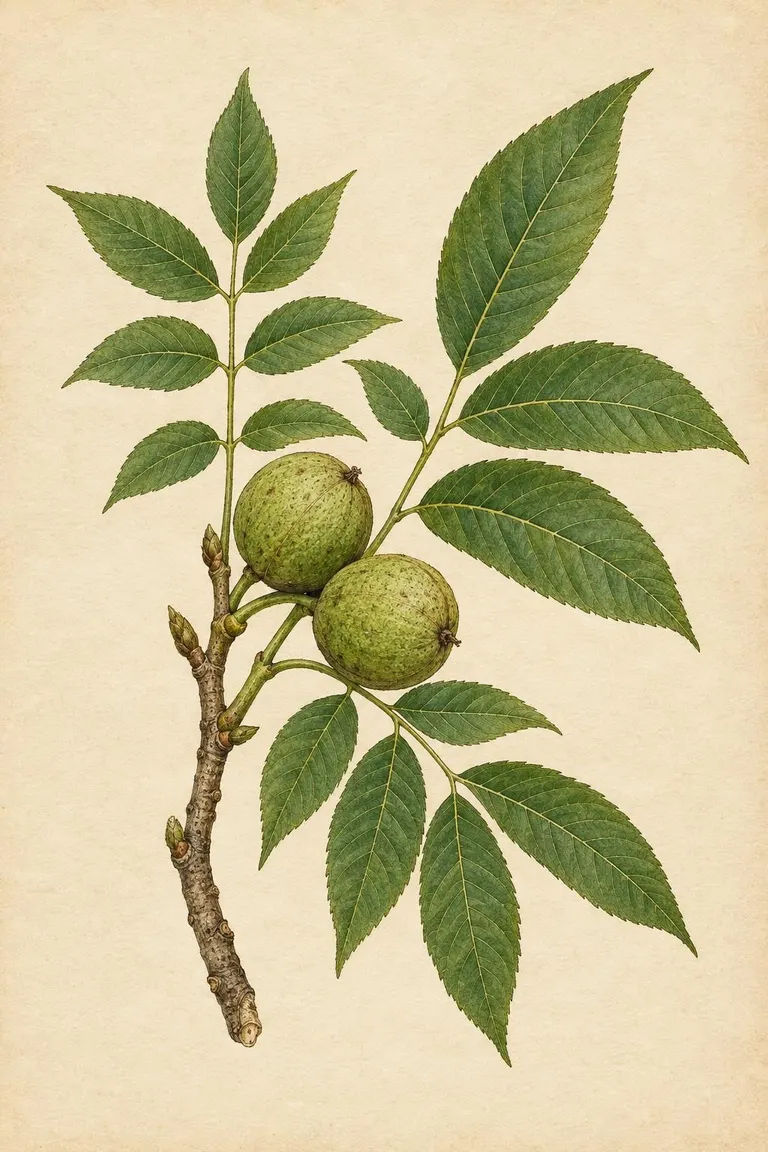 No. 06
Black walnut
Juglans nigraBlack walnut
Juglans nigraA valuable timber tree with heavy nuts; its roots can stunt some garden plants.
- Watch for
- Falling nuts and large limbs.
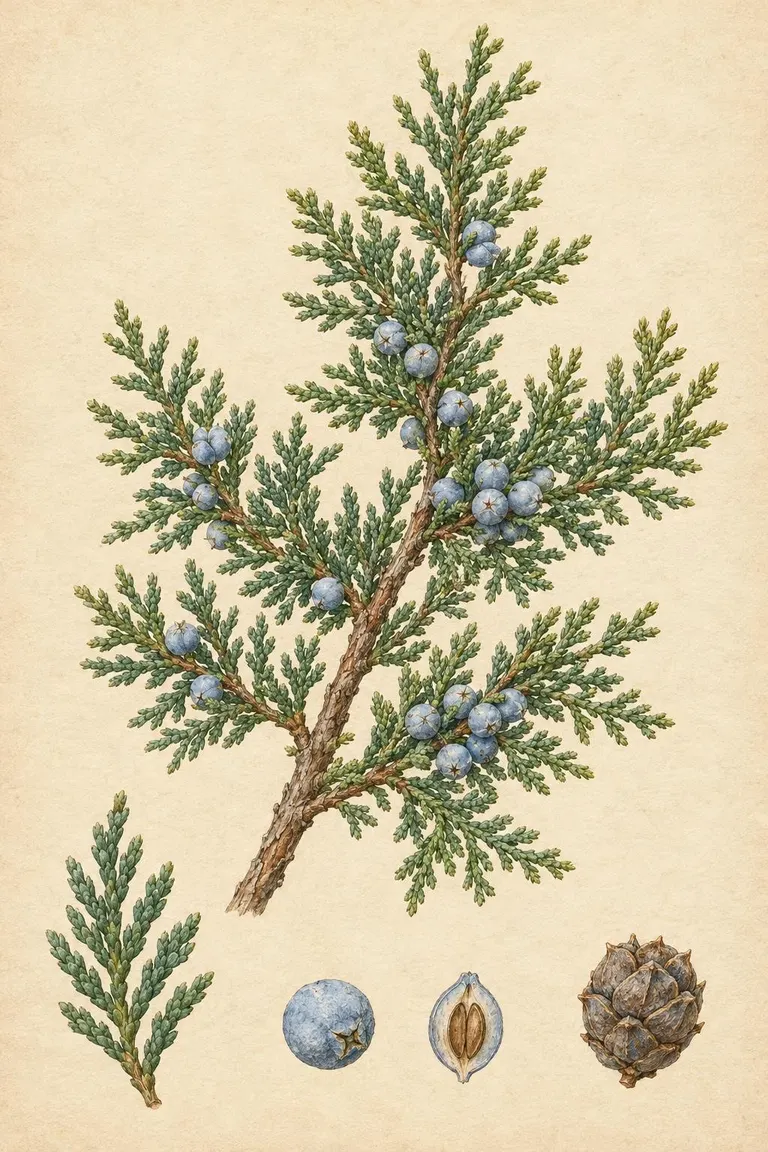 No. 07
Eastern red cedar
Juniperus virginianaEastern red cedar
Juniperus virginianaTough evergreen of fence lines and fields that spreads fast.
- Watch for
- Overgrown thickets and rust galls.
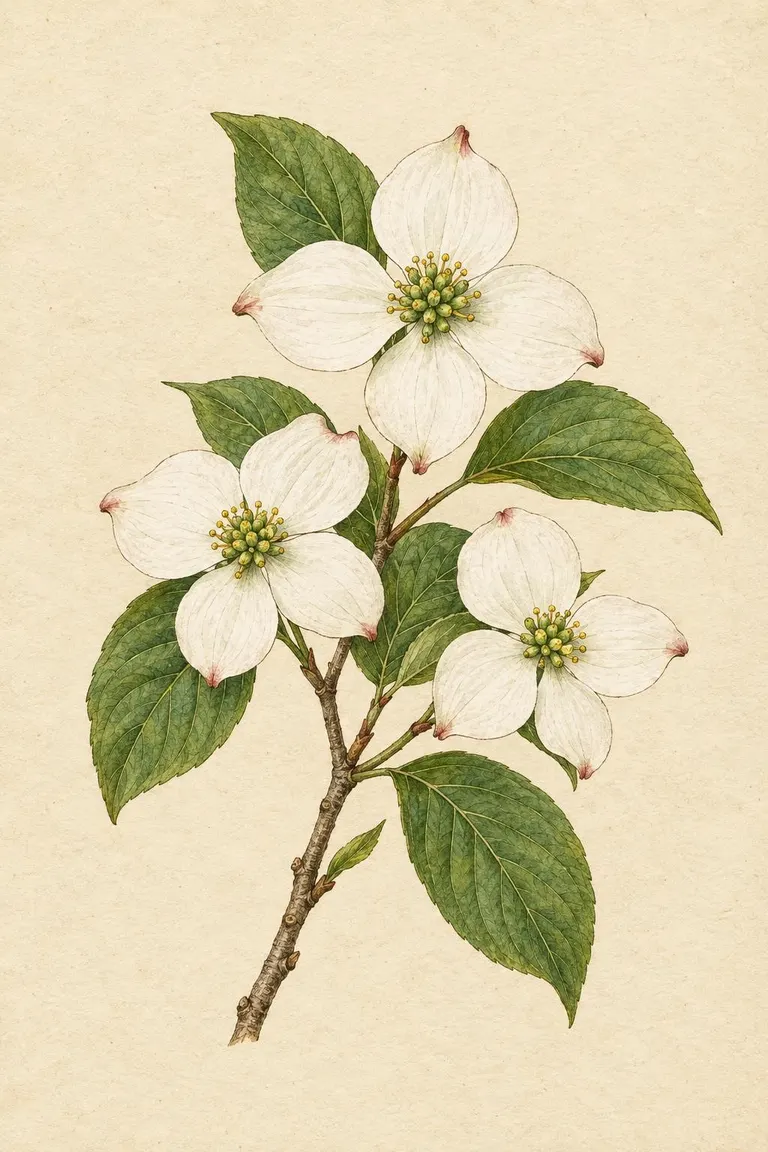 No. 08
Flowering dogwood
Cornus floridaFlowering dogwood
Cornus floridaA small spring bloomer that dislikes drought and root disturbance.
- Watch for
- Anthracnose and heat stress.
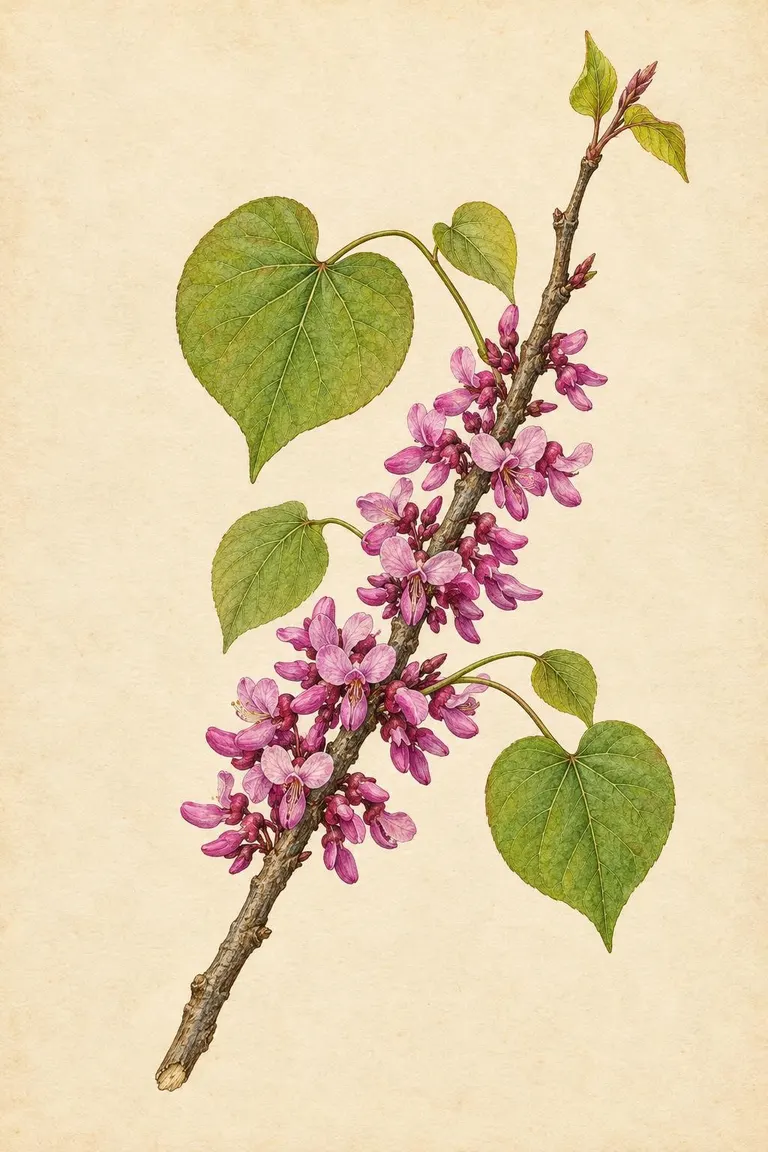 No. 09
Eastern redbud
Cercis canadensisEastern redbud
Cercis canadensisEarly pink flowers and heart-shaped leaves; a modest lifespan.
- Watch for
- Cankers and splitting forks.
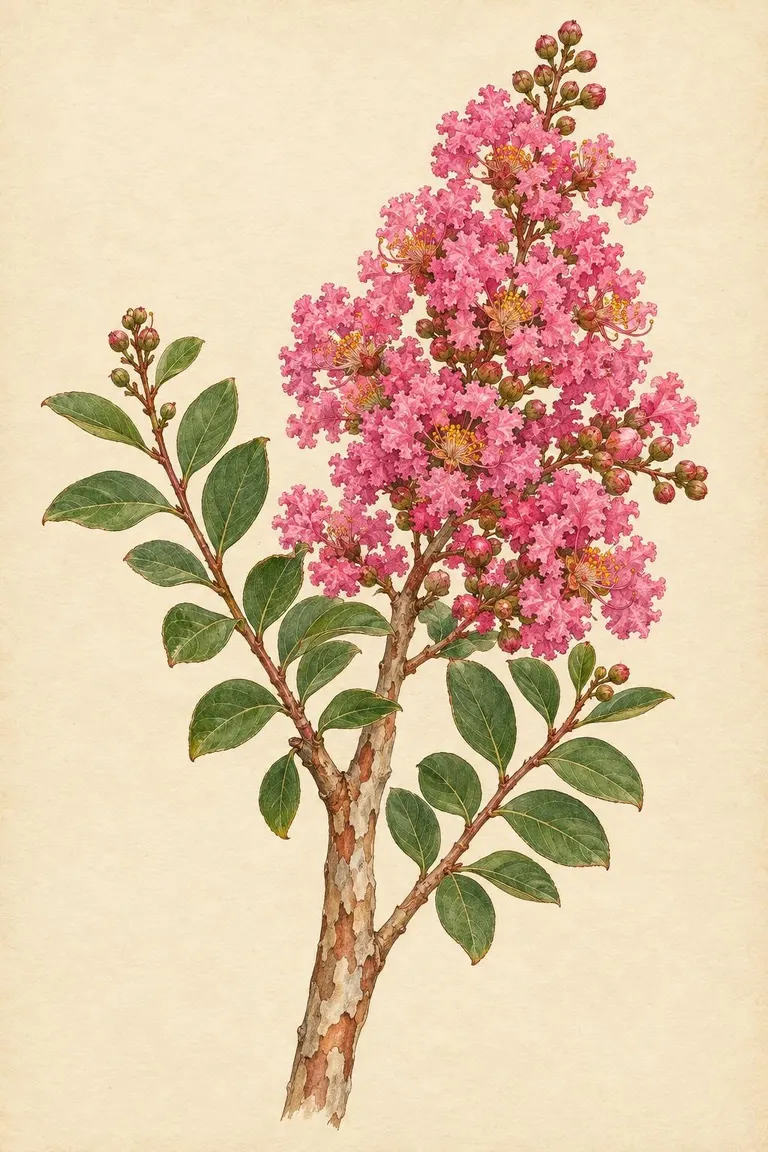 No. 10
Crape myrtle
Lagerstroemia indicaCrape myrtle
Lagerstroemia indicaSummer blooms and peeling bark; best thinned, never cut to stubs.
- Watch for
- Overpruning and bark scale.
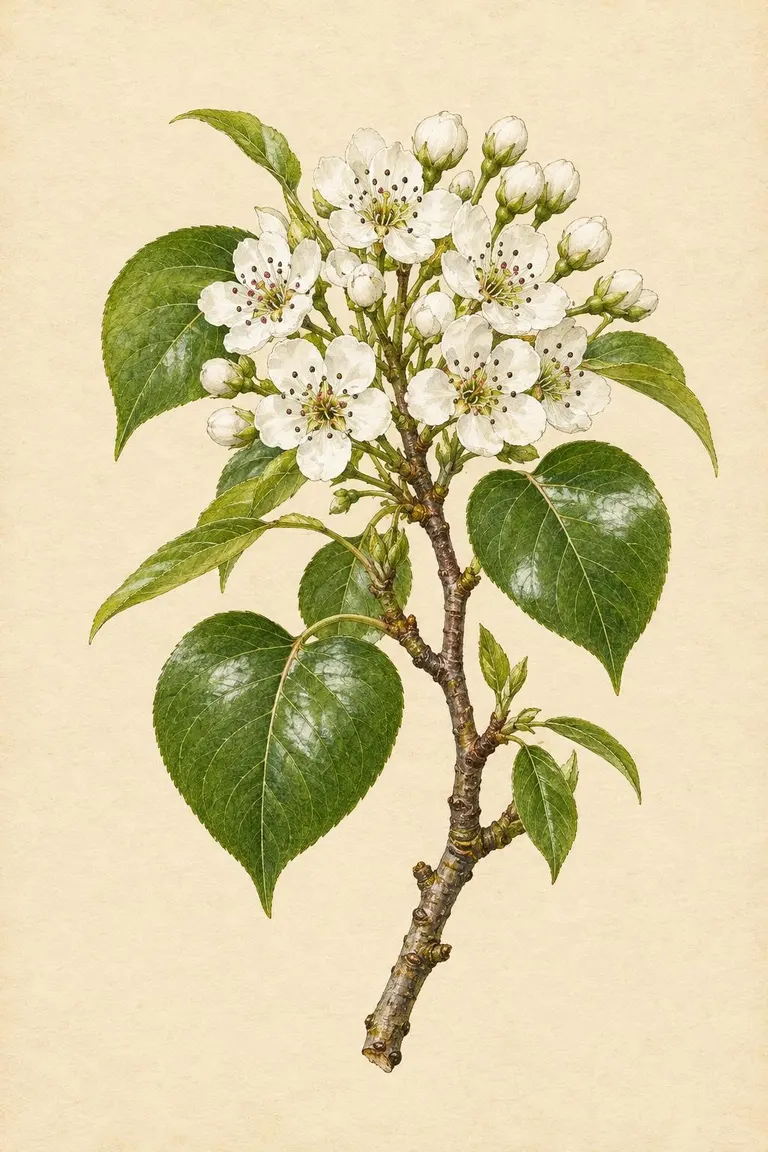 No. 11
Callery (Bradford) pear
Pyrus calleryanaCallery (Bradford) pear
Pyrus calleryanaWhite spring bloom, but weak forks that often split in storms.
- Watch for
- Splitting and spreading seedlings.
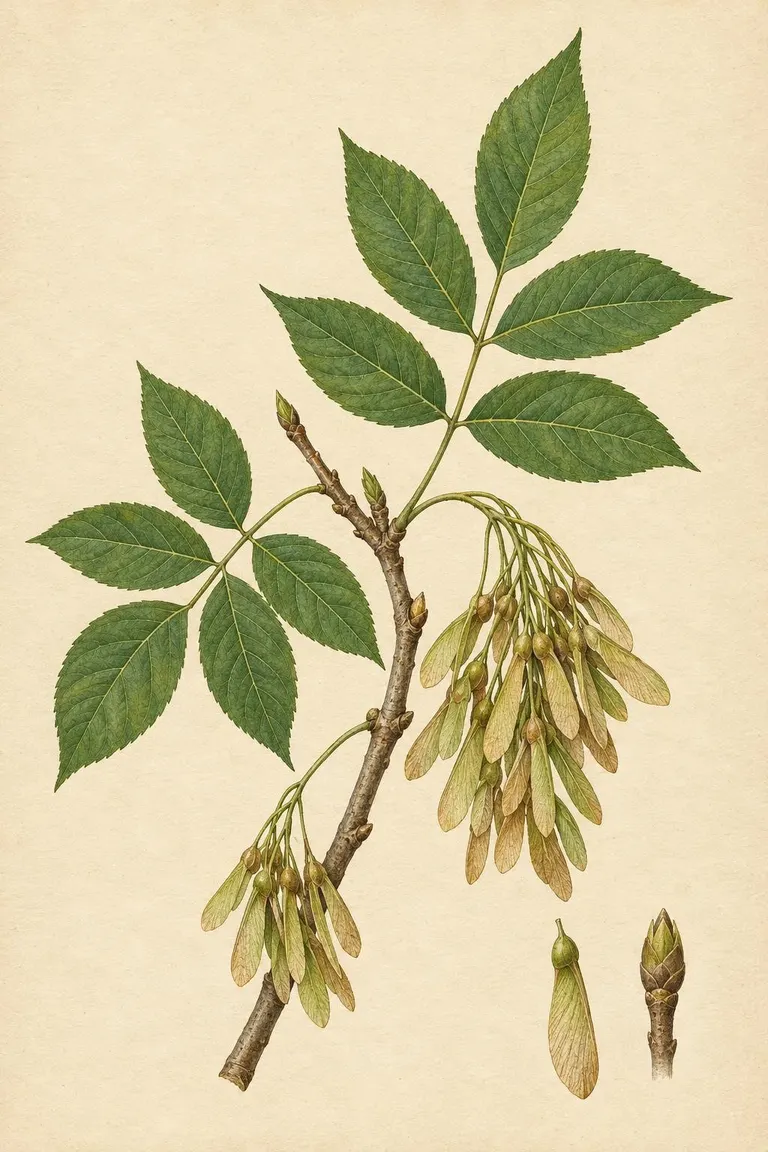 No. 12
White ash
Fraxinus americanaWhite ash
Fraxinus americanaA strong shade tree now threatened by emerald ash borer.
- Watch for
- Thin tops and dead wood; brittle once dead.
Right job. Right month.
Pick a job and see the best months for it around a twelve-month wheel: dormant pruning, spring bloomers, planting, feeding and more.
- Best months
- Acceptable
- Better to avoid
Good to know
- Dead, broken or hanging limbs can come off in any month.
- Middle Tennessee winters are mild enough for dormant-season work most weeks.
- Spring bloomers are pruned right after they flower.
Saved. Your choices will travel with the estimate form below.
Work worth a closer look.
Removals, crane lifts, trimming, stump grinding, storm cleanup, cabling, planting and lot clearing. Tap any photo to see the service behind it.
Plan it before anyone calls.
Read tree rings, check a fall zone, plan a removal cost, time your pruning, check a tree’s health and triage a storm. Free, with no signup.
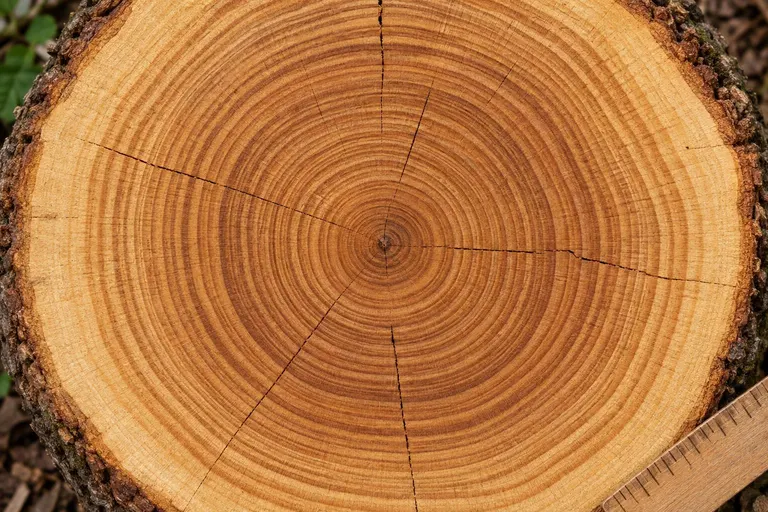 Ring ReaderPick a tree and a trunk size, read the rings and estimate how old the tree is.
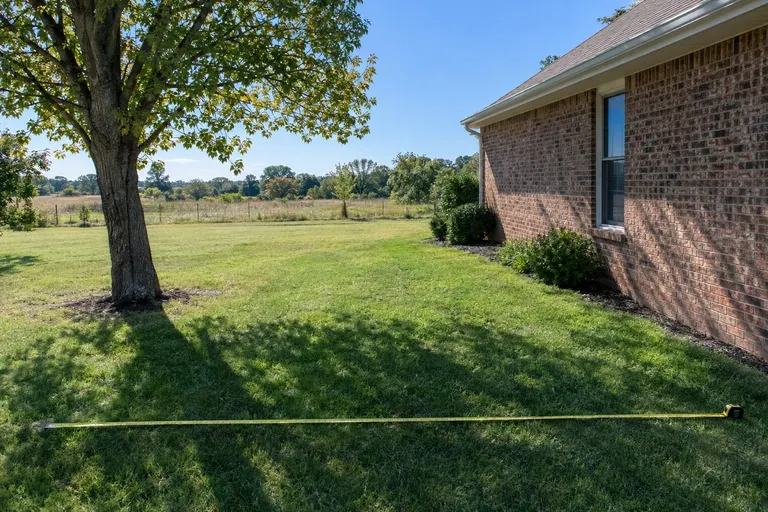 Fall Zone FinderSet the tree's height and distance and see how far it could reach, then simulate a fall.
 Removal Cost PlannerChoose height, access and extras to see a planning range for a removal and a stump.
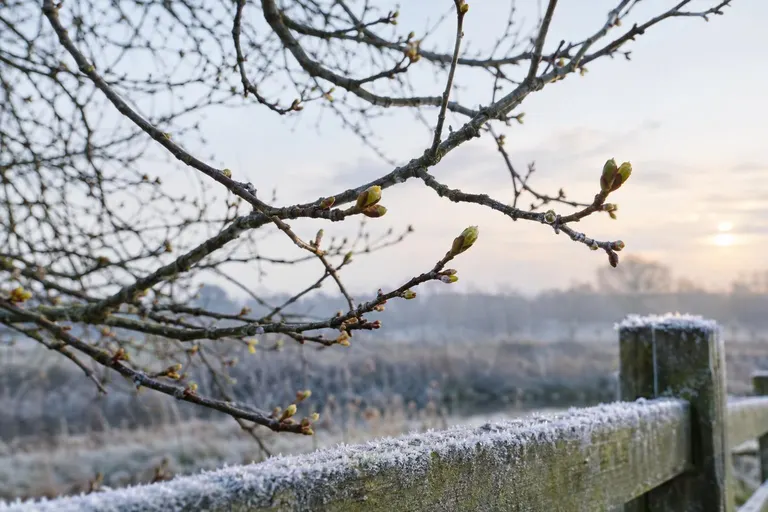 Pruning WheelPick a job and see the best months for it on a twelve-month wheel.
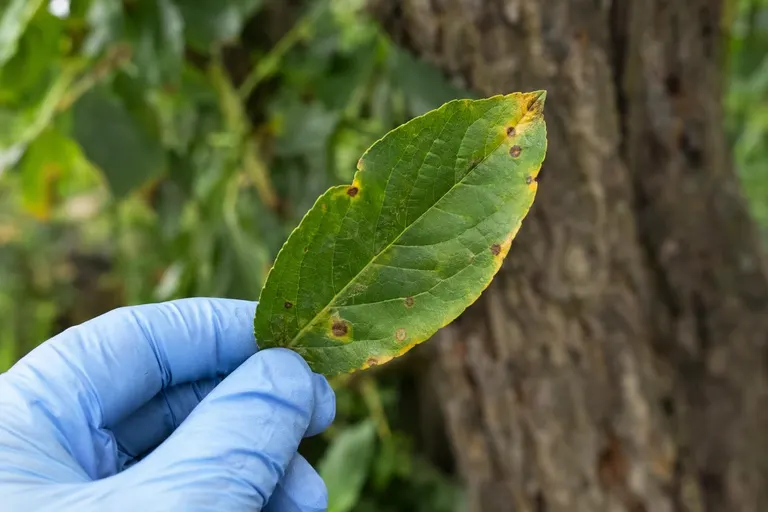 Tree Health CheckerCheck what you see on a tree and get likely causes and next steps.
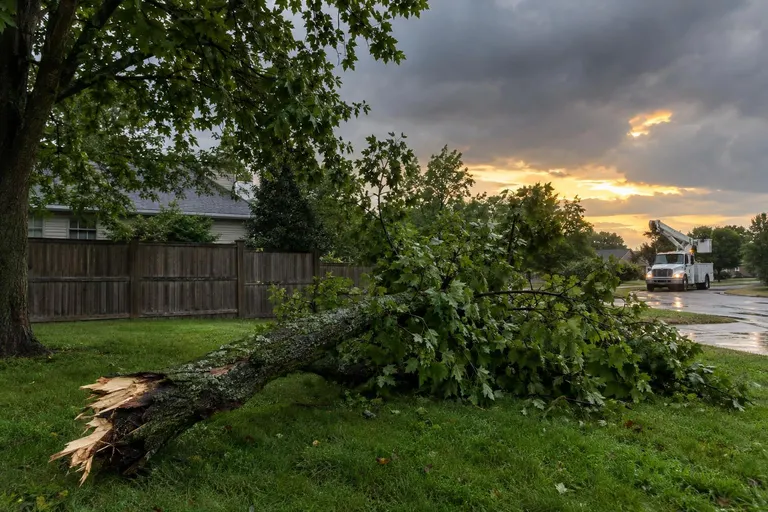 Storm TriageTell us what happened and get a short, safe checklist and who to call.
28 cities, a tree on every one.
Watch the trees grow across the map, then pick one to see what trees there tend to need, what we plan for and the areas we serve. Every city has its own page.
- Typical tree work here
- What we plan for
- Areas we serve
28 cities across Middle Tennessee.
Find your city, or browse the counties. Every city page covers the tree work that homes and businesses in that area ask about most.
Nashville and Davidson County7
Williamson County8
Rutherford County3
Sumner County5
Wilson County2
Cheatham and Maury Counties3
Plain-English answers about trees.
Trimming, removal, storms, tree health, planting and cost, written for homeowners, property managers and business owners.
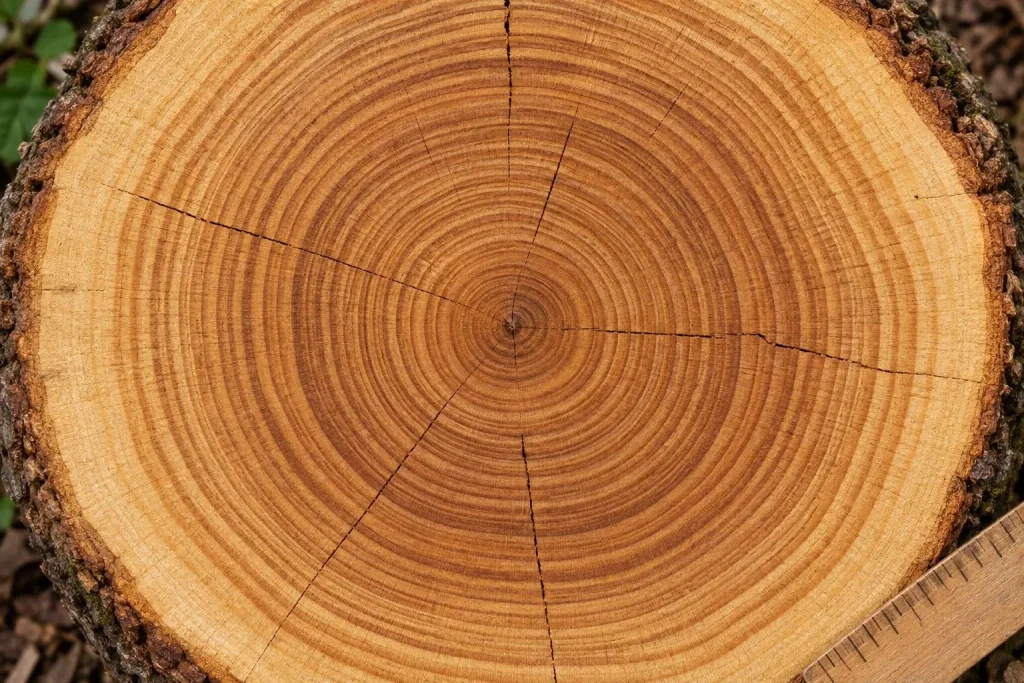 Tree HealthHow to Read Tree Rings (and Estimate a Tree’s Age)Every ring tells a story of wet years, dry years and good years. Learn how rings form, how to count them and how to estimate a living tree's age without cutting it.
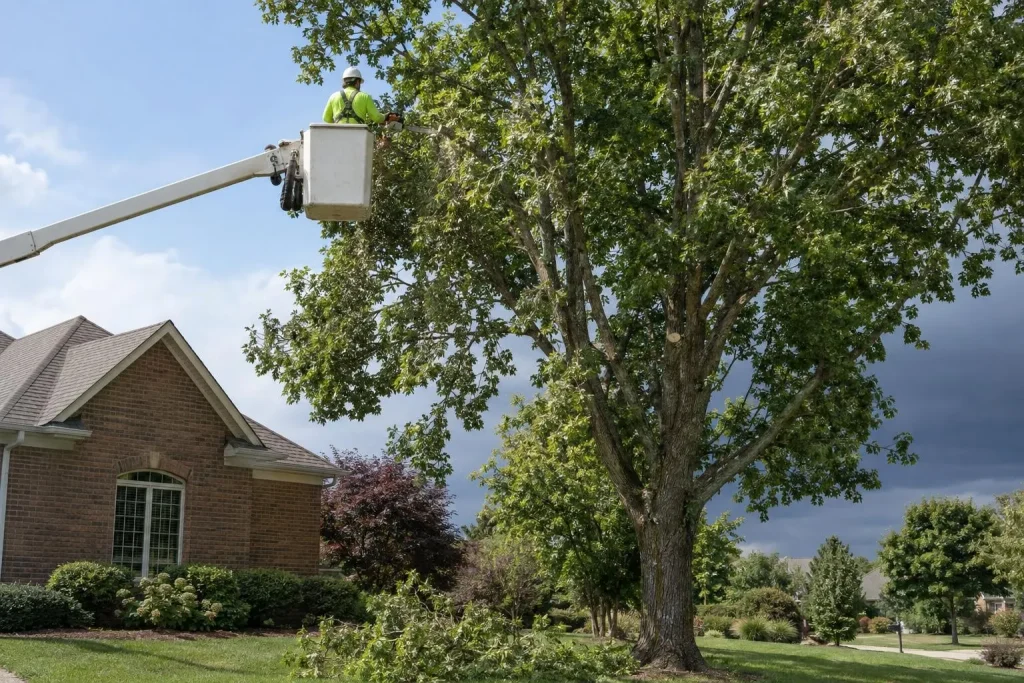 Removal and SafetyA Storm-Ready Tree Checklist for Middle TennesseeThunderstorms, straight-line winds and ice all test trees differently. This checklist helps you spot the weak points and fix them before the next big storm.
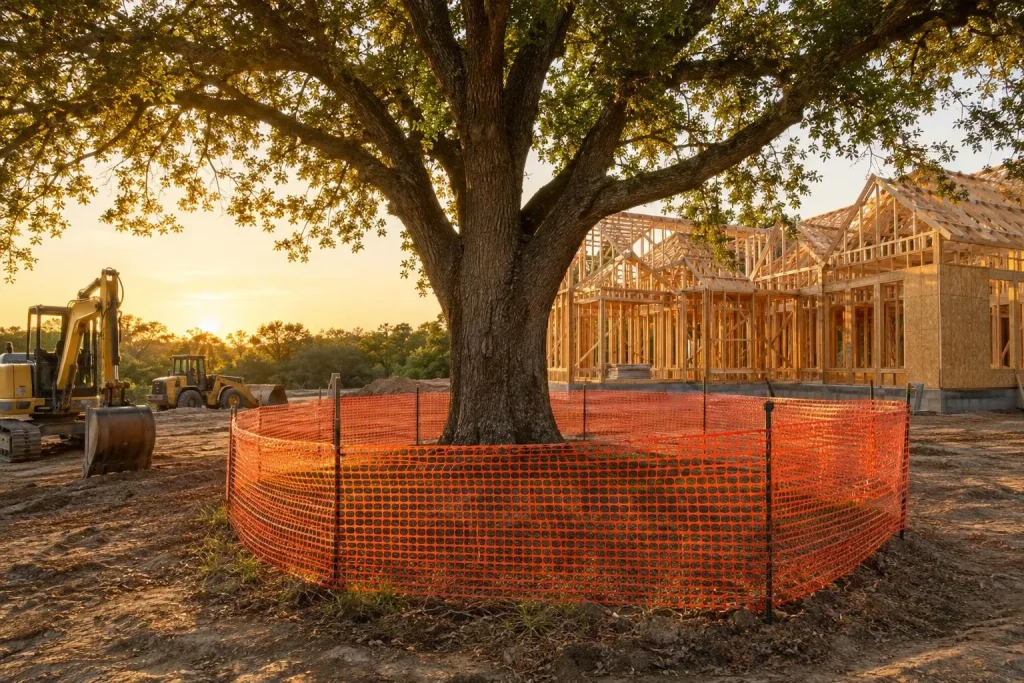 Tree HealthProtecting Trees During ConstructionTrenches, grading and heavy machines kill more trees than storms. Learn how to protect roots, plan around trees and keep the shade you paid for.
Questions, answered
What tree services do you offer?
We remove, trim and prune trees, grind stumps, clear lots and land, handle storm damage, plant and transplant trees, care for tree health and work with businesses, HOAs and builders. Every service has its own page with the details.
How do I get a price for tree work?
Fill in the form on any page, or call or text 615-431-3789. A few photos and a rough height are often enough for a first number, and larger or trickier jobs start with a short visit. You get a written scope and price before any work begins.
How much does tree removal cost?
It depends on height, trunk size, what is under the tree, how easy it is to reach and whether you want the stump ground and the wood hauled. Our Removal Cost Planner gives a planning range, and a visit or photos give you a firm written price.
Do you grind the stump after removing a tree?
We can grind it the same visit or later. Stump grinding is priced separately so you can choose, and we can leave the chips as mulch or haul them away.
Can you work near houses, fences, pools and power lines?
Yes. Work near structures is done with rigging, ropes and, where needed, a bucket truck or crane. Trees touching or very close to power lines are handled with the utility company, and we will tell you what applies.
When is the best time to trim a tree?
Many shade trees do well with dormant-season pruning from late fall to late winter. Spring bloomers are pruned right after they flower, and dead or dangerous limbs can come off at any time. Our Pruning Wheel shows the timing by job.
A tree fell on my house. What should I do first?
Get everyone out of the damaged area, stay away from any wires and call us at 615-431-3789. Take photos from a safe distance, tell your insurance company and do not cut or climb on anything under tension.
How can I tell if a tree is dying or dangerous?
Dead branches over half the crown, deep cracks, mushrooms at the base, heaved soil and a lean that has changed are all warning signs. Our Tree Health Checker gives a first read, and an arborist visit gives a real answer.