
The Middle Tennessee tree guide.
Twelve trees you will find in yards across Middle Tennessee, on specimen plates with what to watch for, plus a plain-English glossary of the words arborists use.
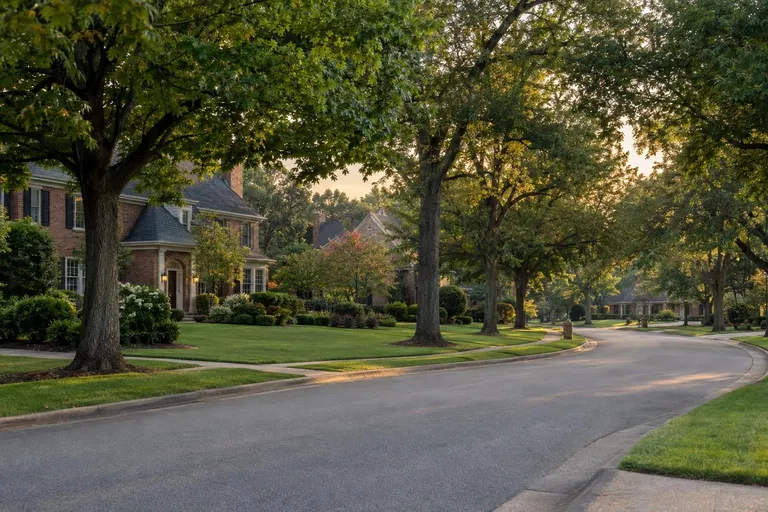
Twelve trees, twelve plates.
Tap or hover a plate to turn it over. Each lists what to watch for and the services that fit.
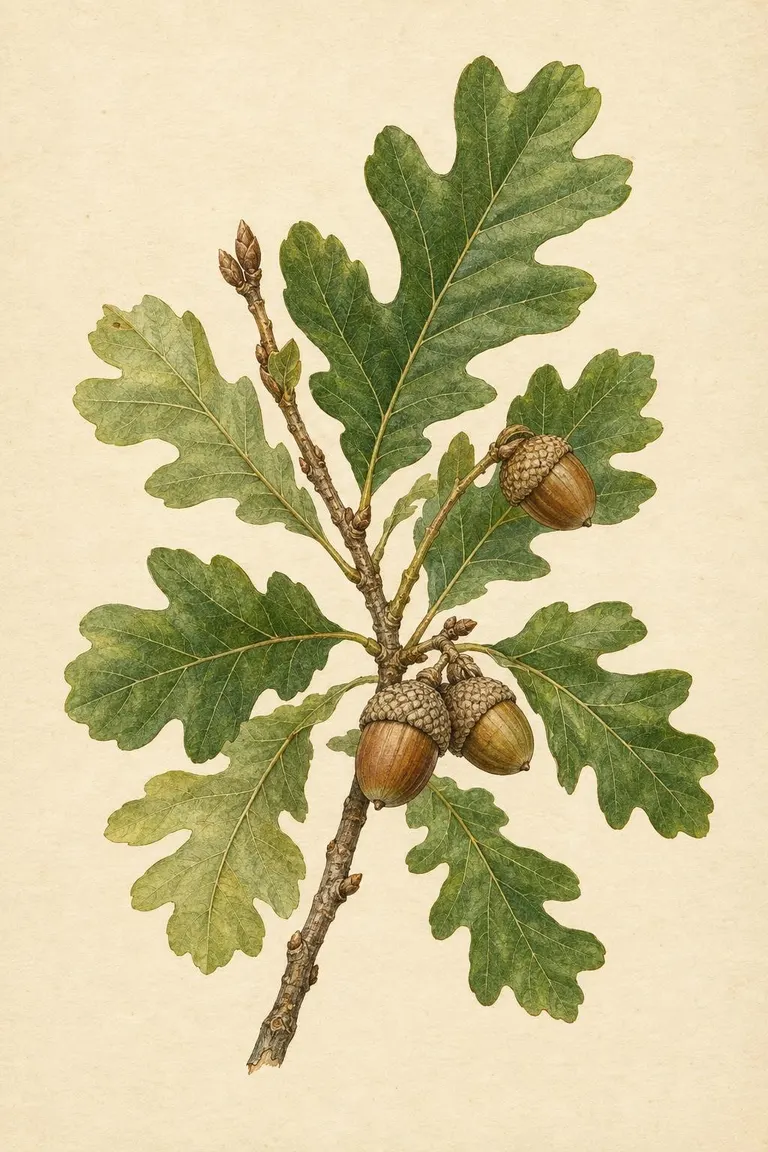 No. 01
White oak
Quercus albaWhite oak
Quercus albaSlow, strong and long-lived. A prized shade tree that rewards patient care.
- Watch for
- Dead limbs high in the crown; roots damaged by building work.
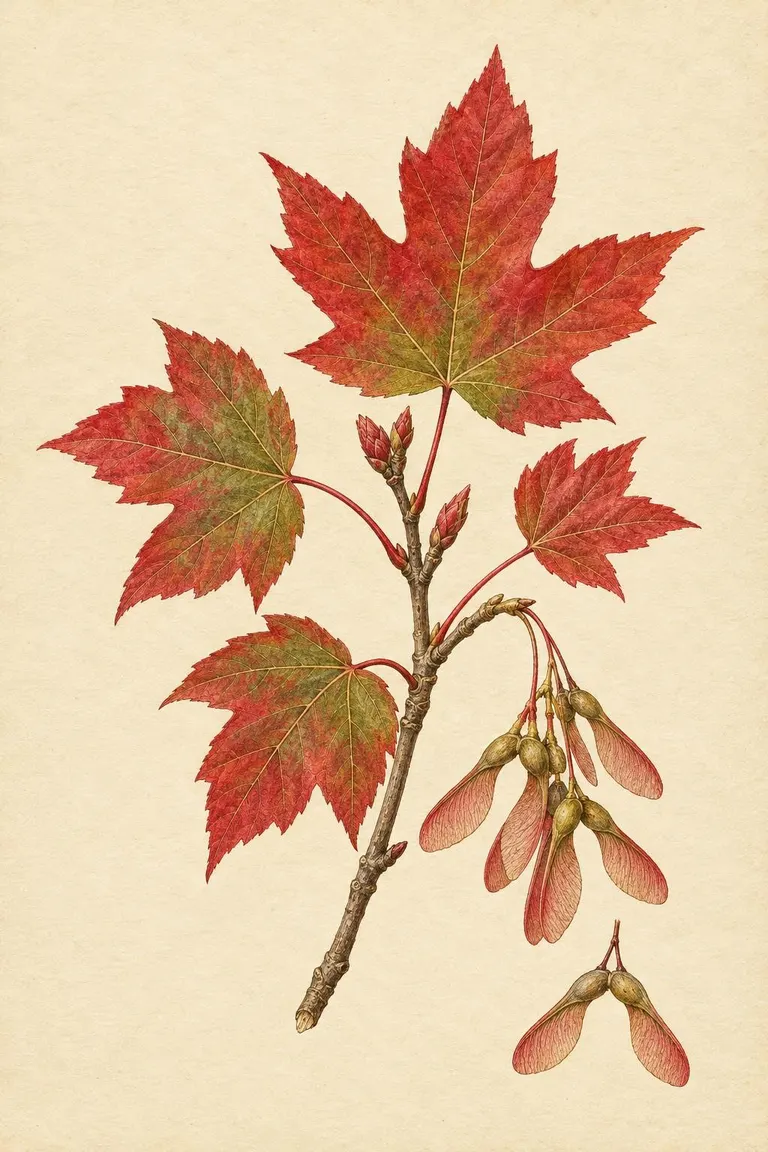 No. 02
Red maple
Acer rubrumRed maple
Acer rubrumFast and colorful, with moderate wood. Common in older neighborhoods.
- Watch for
- Tight forks, girdling roots and drought stress.
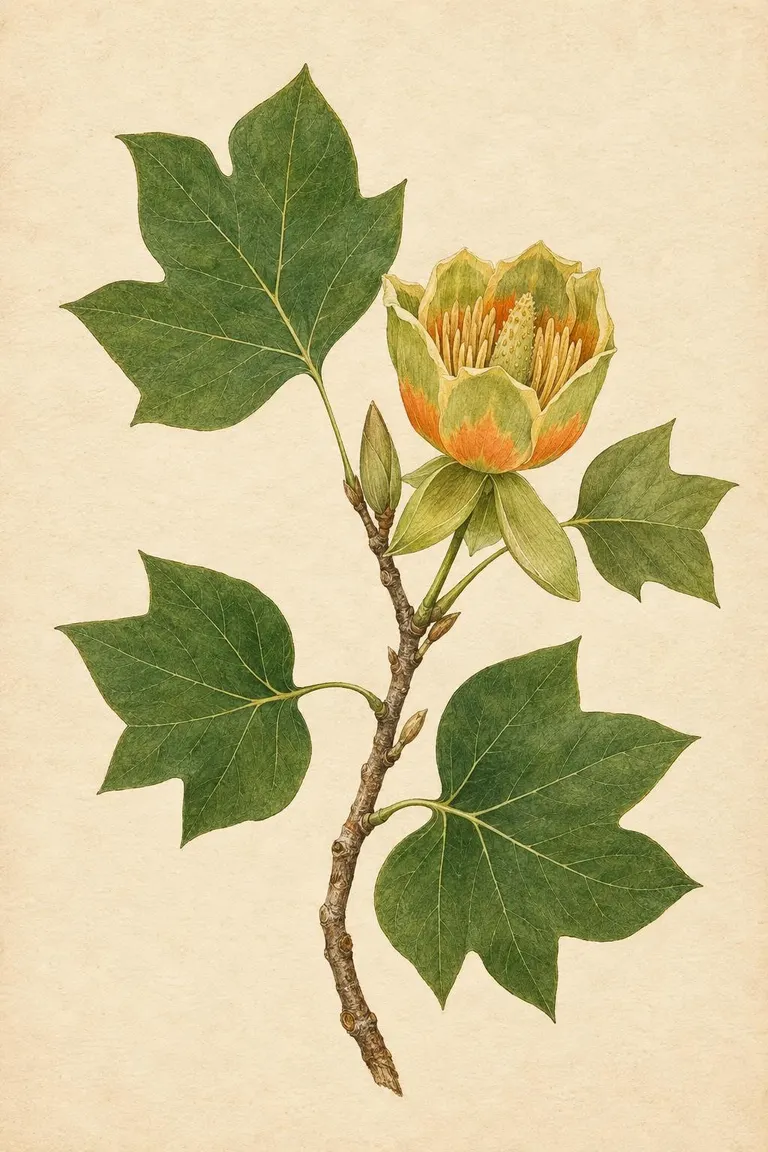 No. 03
Tulip poplar
Liriodendron tulipiferaTulip poplar
Liriodendron tulipiferaVery tall and straight, with brittle limbs that can drop in storms.
- Watch for
- Heavy limbs over roofs and drives.
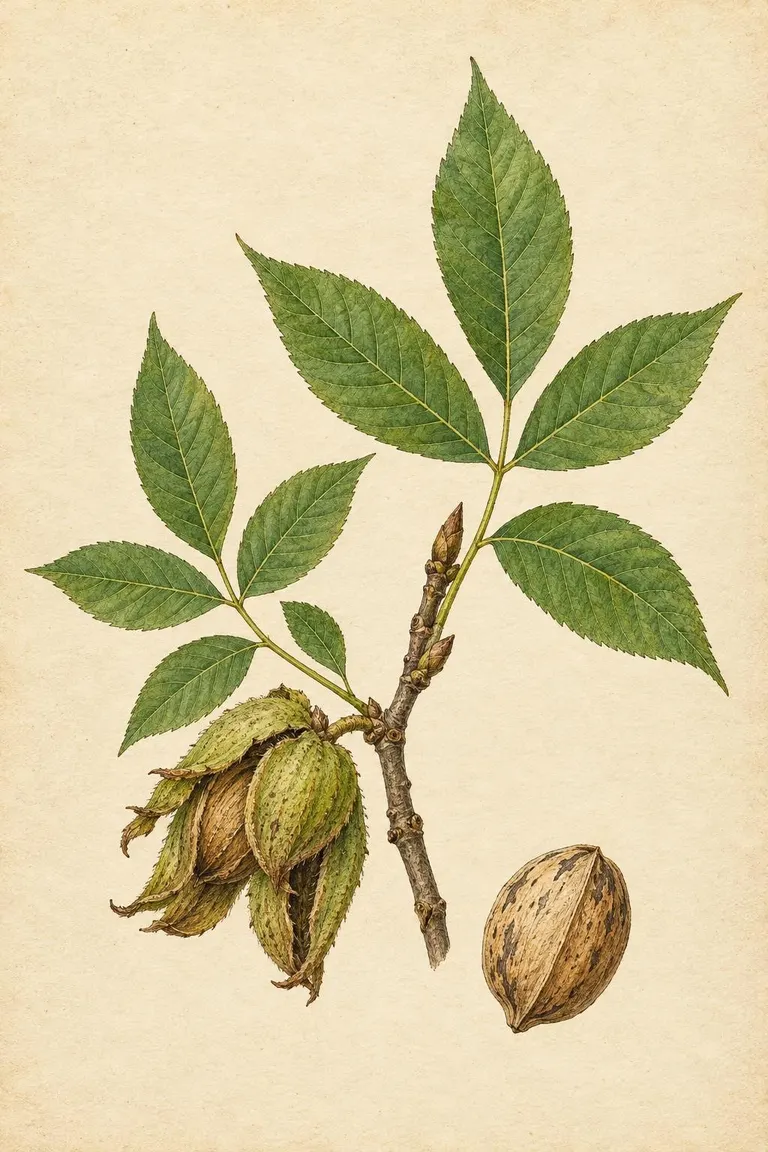 No. 04
Shagbark hickory
Carya ovataShagbark hickory
Carya ovataHeavy, strong wood and a deep root system. Nuts feed wildlife.
- Watch for
- Borers after drought; very heavy limbs.
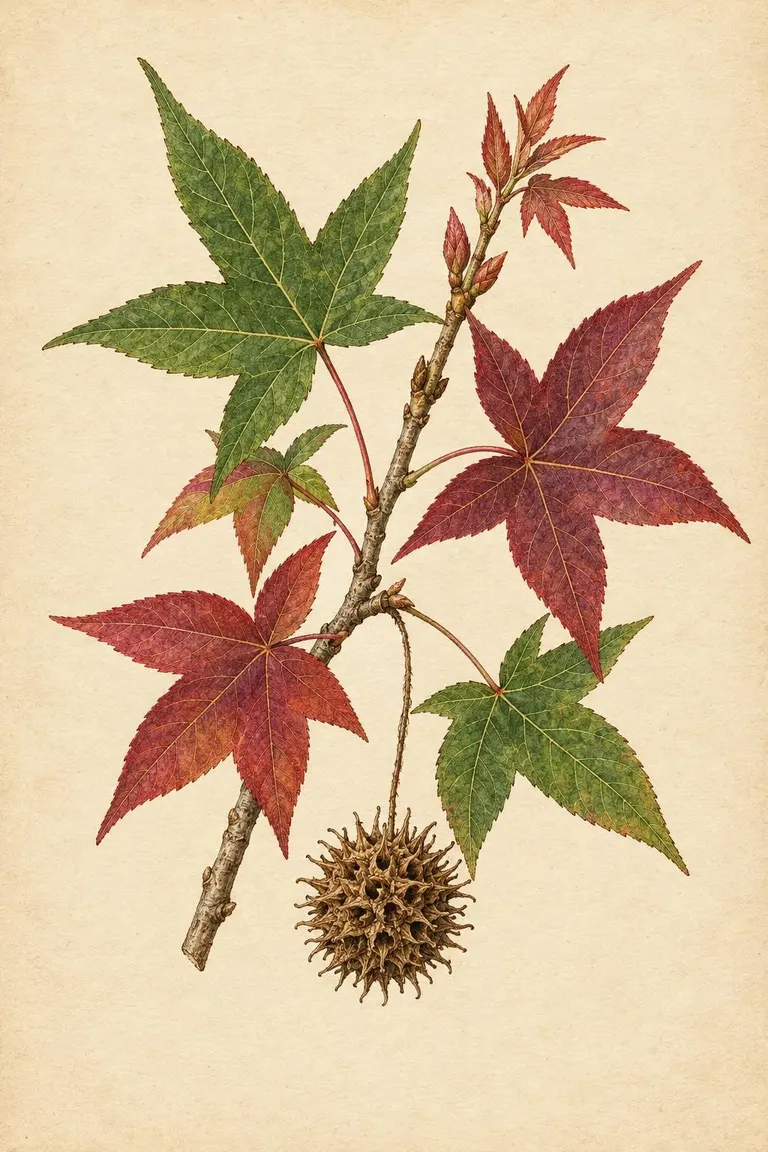 No. 05
Sweetgum
Liquidambar styracifluaSweetgum
Liquidambar styracifluaFast shade with star-shaped leaves and spiky seed balls.
- Watch for
- Surface roots and limb breakage.
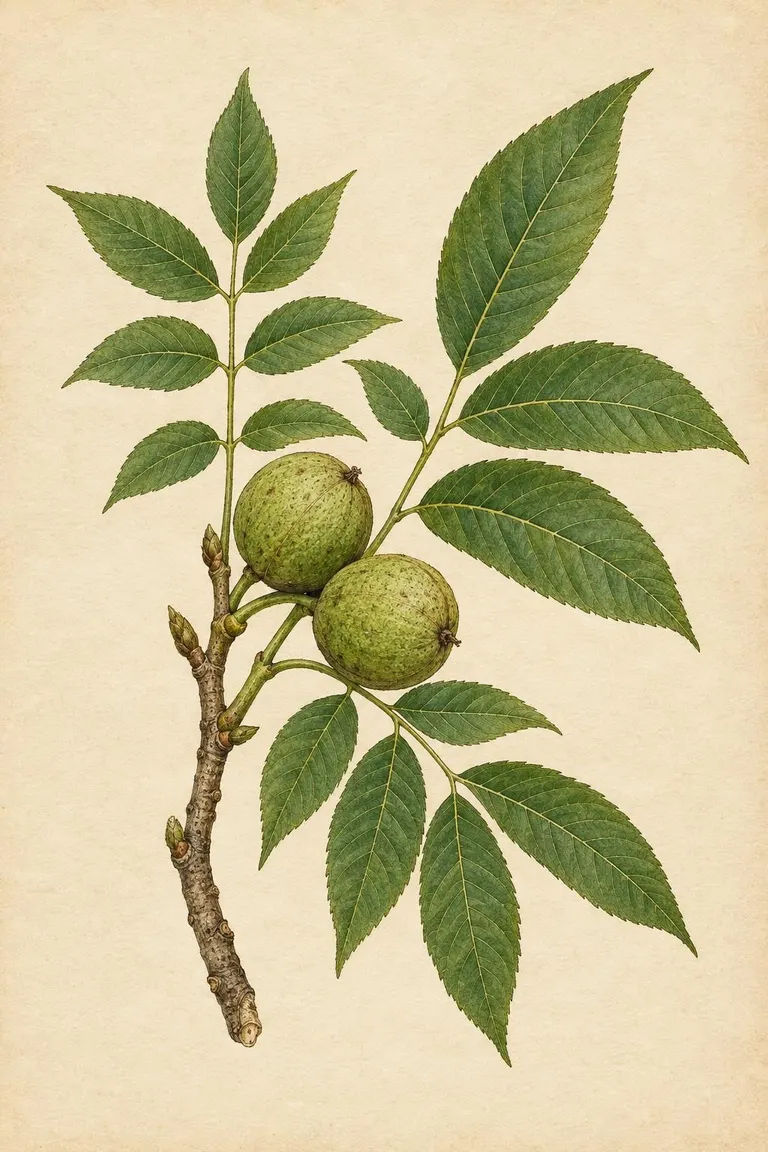 No. 06
Black walnut
Juglans nigraBlack walnut
Juglans nigraA valuable timber tree with heavy nuts; its roots can stunt some garden plants.
- Watch for
- Falling nuts and large limbs.
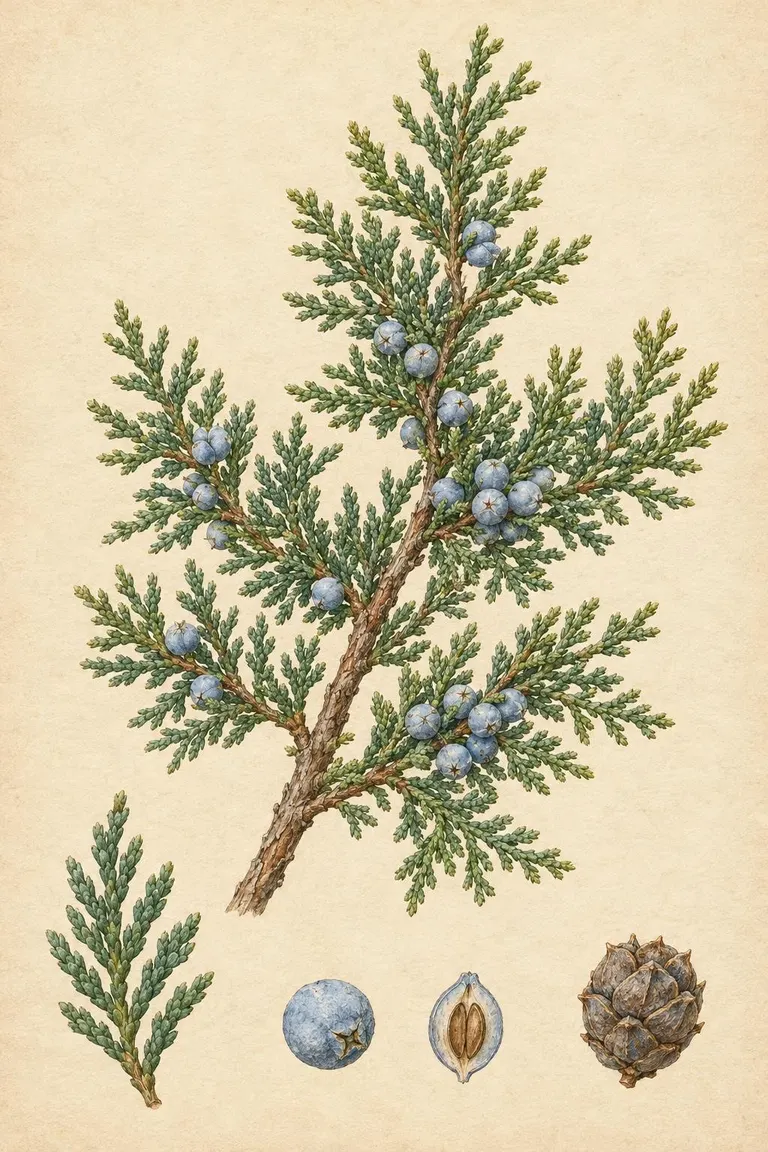 No. 07
Eastern red cedar
Juniperus virginianaEastern red cedar
Juniperus virginianaTough evergreen of fence lines and fields that spreads fast.
- Watch for
- Overgrown thickets and rust galls.
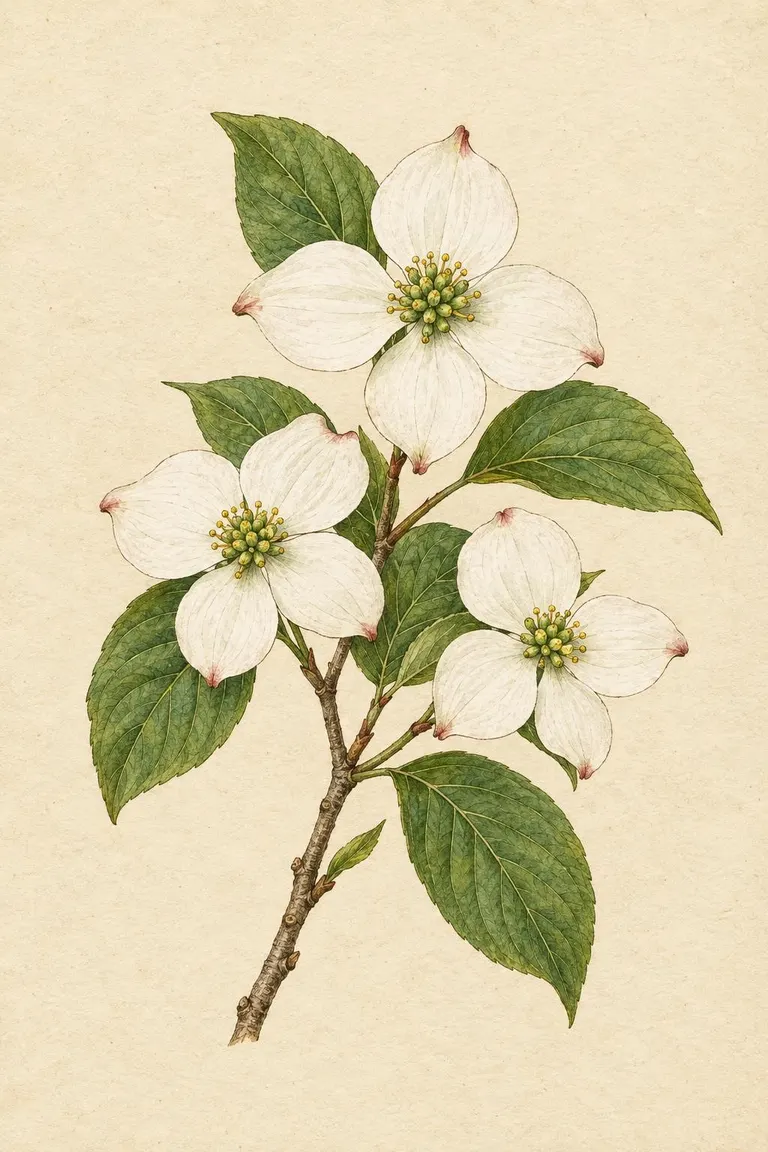 No. 08
Flowering dogwood
Cornus floridaFlowering dogwood
Cornus floridaA small spring bloomer that dislikes drought and root disturbance.
- Watch for
- Anthracnose and heat stress.
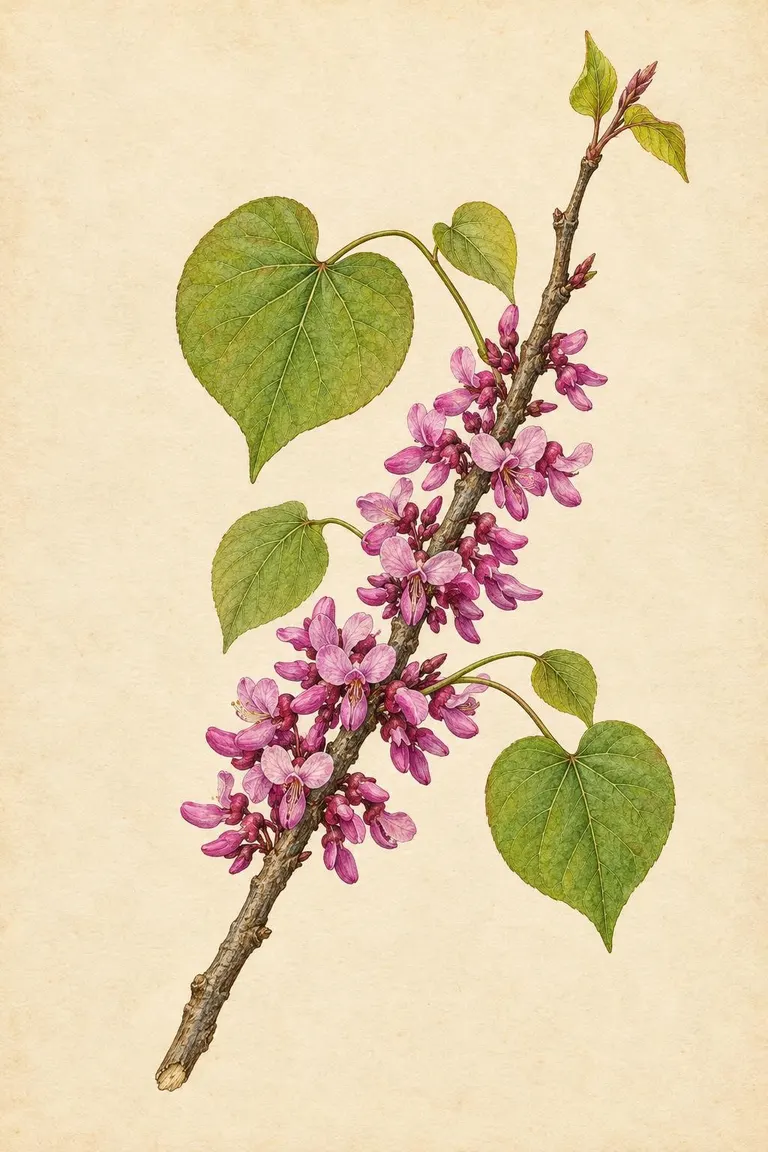 No. 09
Eastern redbud
Cercis canadensisEastern redbud
Cercis canadensisEarly pink flowers and heart-shaped leaves; a modest lifespan.
- Watch for
- Cankers and splitting forks.
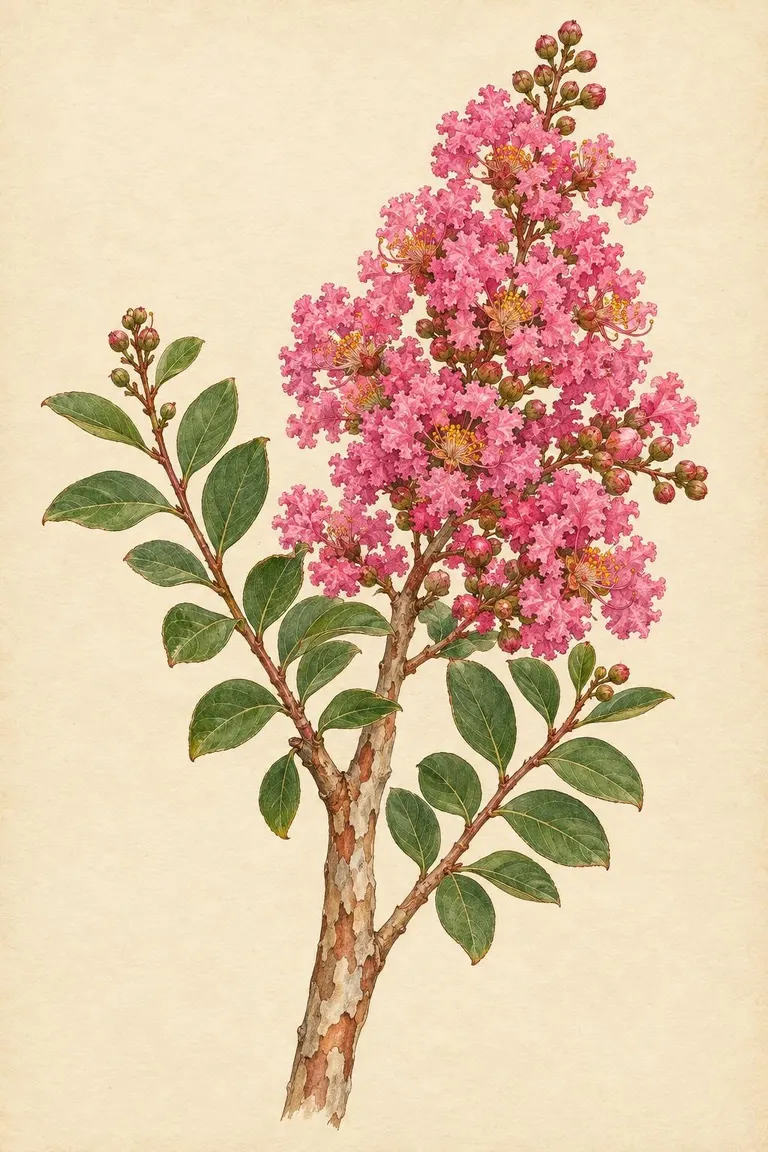 No. 10
Crape myrtle
Lagerstroemia indicaCrape myrtle
Lagerstroemia indicaSummer blooms and peeling bark; best thinned, never cut to stubs.
- Watch for
- Overpruning and bark scale.
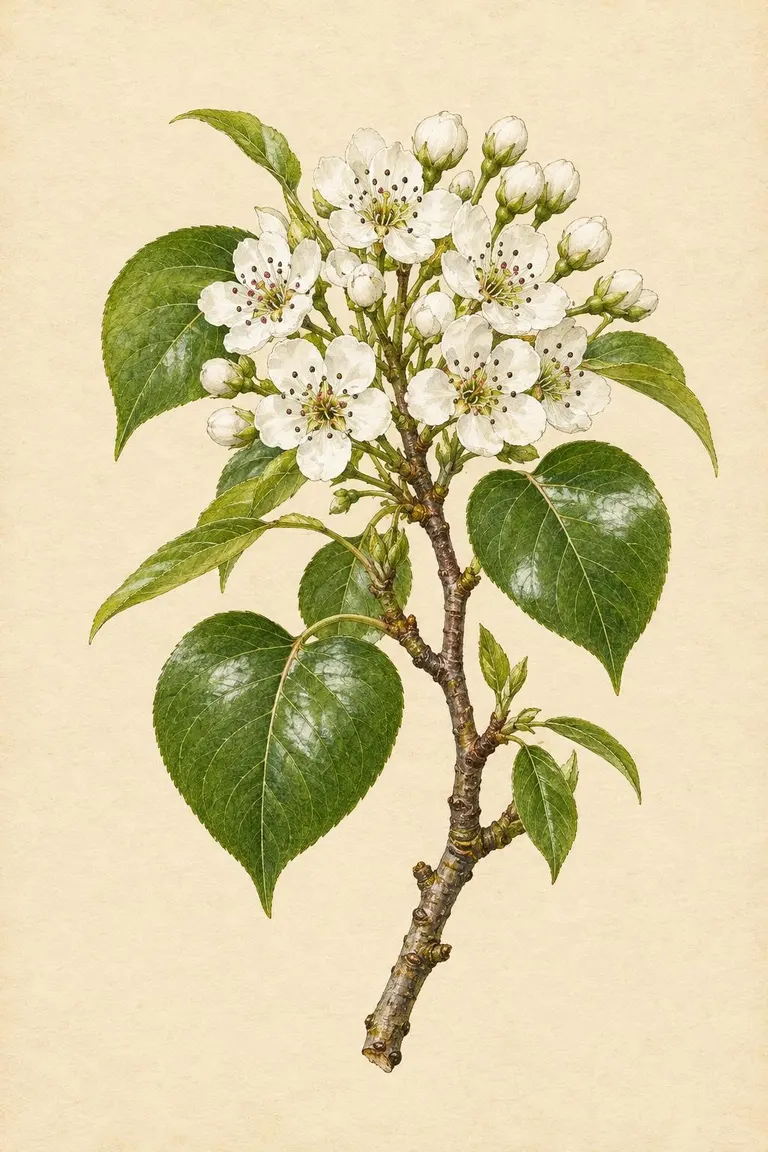 No. 11
Callery (Bradford) pear
Pyrus calleryanaCallery (Bradford) pear
Pyrus calleryanaWhite spring bloom, but weak forks that often split in storms.
- Watch for
- Splitting and spreading seedlings.
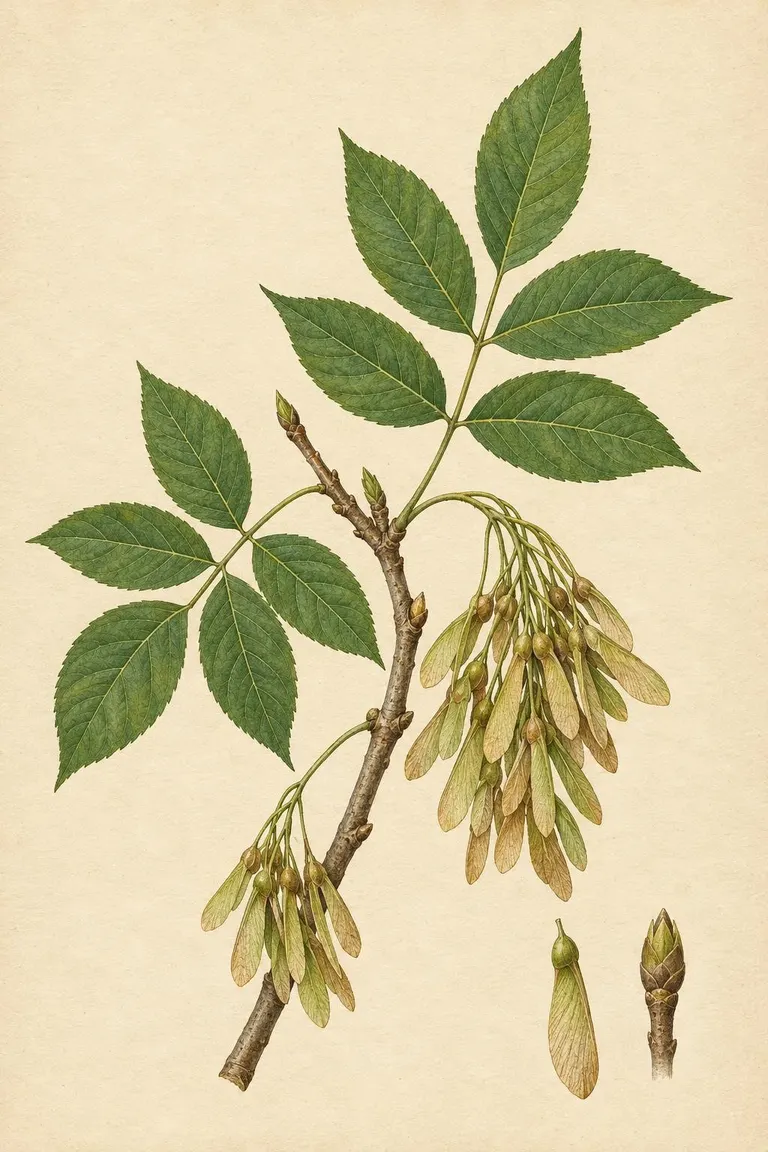 No. 12
White ash
Fraxinus americanaWhite ash
Fraxinus americanaA strong shade tree now threatened by emerald ash borer.
- Watch for
- Thin tops and dead wood; brittle once dead.
Tree words, in plain English.
- Crown
- The leafy upper part of a tree: the branches, twigs and leaves above the trunk.
- Canopy
- The layer of leaves formed by the crowns of one tree or many trees together.
- Drip line
- The ground under the outer edge of the crown. Many roots, and more roots than people expect, reach well past it.
- Root flare
- The widening at the base of the trunk where it meets the roots. It should be visible at the soil line.
- Branch collar
- The slightly swollen ring where a branch joins a larger one. Pruning cuts are made just outside it.
- Deadwooding
- Removing dead, dying and broken branches from the crown.
- Crown thinning
- Removing selected branches to let light and wind through a dense crown without changing its shape.
- Crown reduction
- Shortening long limbs back to a side branch that can take over growth, to reduce the size of a crown.
- Crown raising
- Removing the lowest branches to give clearance over roofs, drives and walks.
- Topping
- Cutting branches back to stubs. It weakens a tree and is not good practice.
- Included bark
- Bark squeezed between two stems in a tight V fork. It makes a weak union that can split.
- Codominant stems
- Two stems of about equal size growing from the same point, often with included bark between them.
- Cabling
- Installing steel or synthetic cables high in the crown to share the load between weak limbs.
- Bracing
- Installing rods through a split or weak union to hold the wood together.
- Increment borer
- A hollow hand drill that takes a pencil-thin core from a tree so rings can be counted without cutting it down.
- DBH
- Diameter at breast height: the width of the trunk about four and a half feet above the ground.
- Critical root zone
- The area around a trunk that must be protected during construction so the tree can survive.
- Rigging
- Using ropes, pulleys and slings to lower cut limbs under control instead of dropping them.
- Aerial lift
- A bucket truck with a boom that lifts a worker to the crown of a tree.
- Stump grinder
- A machine with a spinning cutting wheel that chews a stump into chips below the surface.
- Chipper
- A machine that turns branches into wood chips.
- Suckers
- Fast, thin shoots that grow from the base of a tree or from its roots.
How old is your tree?
A core is a pencil-thin strip taken with a hollow drill. It lets an arborist count rings without hurting the tree.
How to measure
- Wrap a tape around the trunk about 4.5 feet off the ground.
- Divide the circumference by 3.14 to get the diameter.
- Ring widths in the picture are illustrative; the age is a planning estimate.
Saved. Your choices will travel with the estimate form below.
Not sure what tree you have?
Send a photo of the leaves and the bark and we will tell you what it is and what it needs.