Dead limbs don't give notice.
Dead branches are the first to fall in a storm and the ones most likely to hurt someone. Deadwooding removes them and leaves the living tree untouched.
- Priced by: Tree size and the amount of dead wood
- Methods: Climbing, pole saws or bucket truck
What it is, and why it matters.
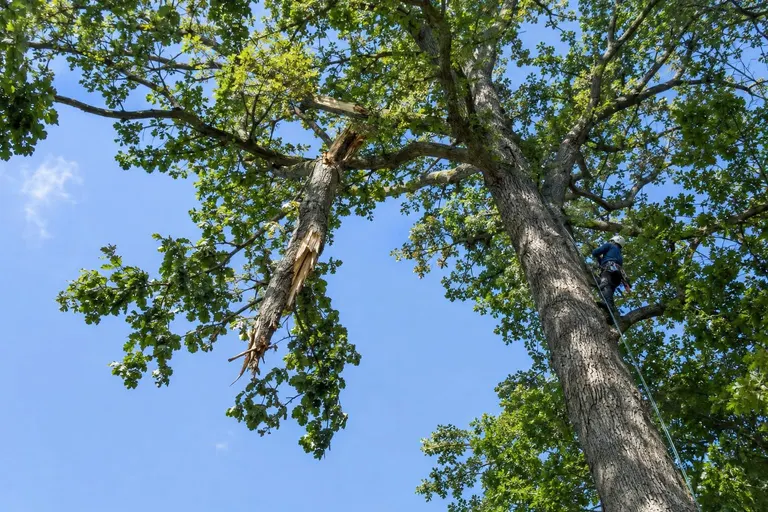
Every mature tree drops a few dead branches. A dead limb may be thin, but a long one over a patio, play set or drive can do real harm. Deadwooding removes those limbs and leaves the living crown alone.
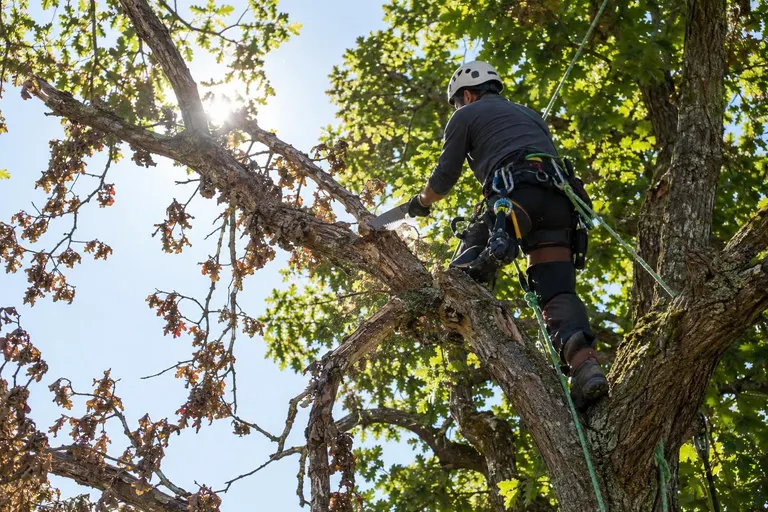
Nashville Tree Service climbs trees across Middle Tennessee to remove dead, broken and hanging branches and to clean out weak or crossing stubs. It is a small cut with a big payoff, and a good annual habit for the biggest trees on your property.
Four things done right.
Lower risk
The limbs most likely to fall are the first to go.
Healthier crowns
Removing dead wood helps the tree close wounds and ward off decay.
Quick and tidy
Most deadwooding jobs are done in a few hours.
Honest advice
We tell you if the whole tree is failing.
From first call to deadwooding.
- 01
Look up
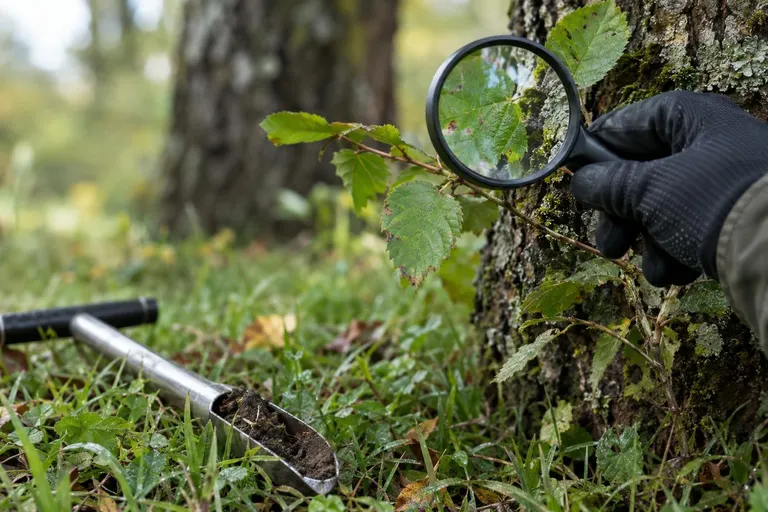
We scan the crown from the ground and from above.
- 02
Mark the dead wood
Dead, broken and hanging limbs are identified.
- 03
Cut
Climbers remove them at the branch collar.
- 04
Clean up
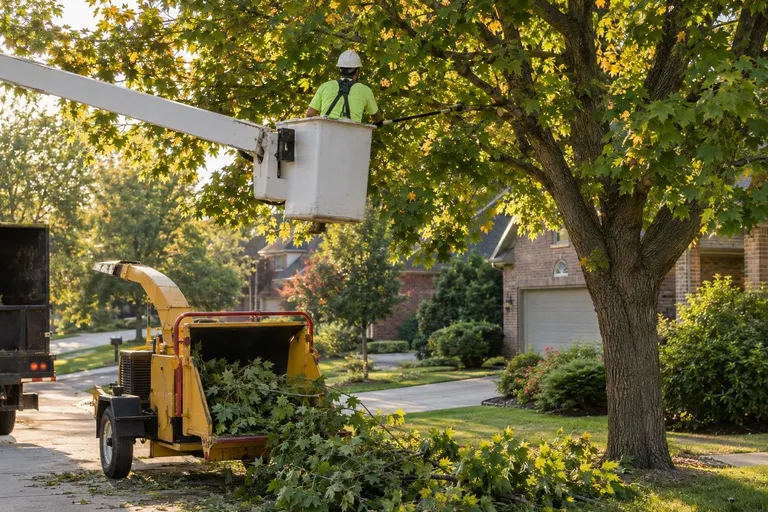
Brush is chipped and the area is raked.
 07
 26
 23
Deadwooding: common questions
How often should I have dead wood removed?
Large mature trees are best checked every year or two, and after major storms.
Can you tell if the whole tree is dying?
Yes. If the tree has too much dead wood, we will say so and explain the options.
How do I get an estimate for deadwooding?
Fill in the form or call or text 615-431-3789. A few photos and a rough height usually give us what we need, and we send a written price. Larger jobs start with a short visit.
Ready to talk about deadwooding?
A short visit or a few photos, and a written price. A real person calls back promptly.